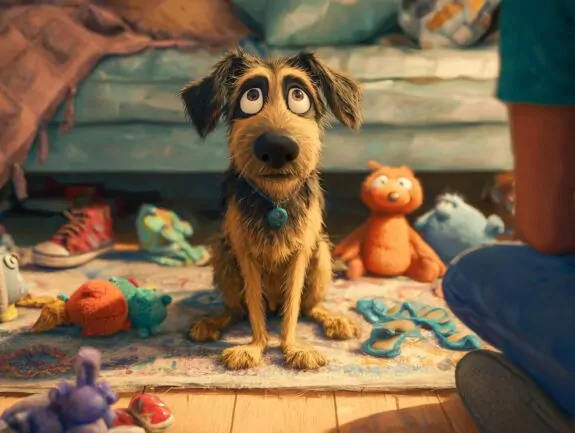
Why Is My Dog Whining Constantly? 7 Common Reasons Explained

Dog whining can be a perplexing behavior for pet owners, often leading to concerns and…

Understanding dog biting behavior is essential for ensuring safety for both humans and their canine companions. This article delves into the underlying reasons for aggressive behavior in dogs, aiding in the identification of warning signs through body language and other indicators. It further discusses effective training and socialization techniques to prevent bites, outlines immediate first aid steps to take in the event of an incident, and examines the legal implications for dog owners. This comprehensive guide promotes responsible dog ownership and seeks to enhance the relationship between humans and their beloved pets.
Key Takeaways
Understanding dog biting behavior is essential for both pet owners and trainers, as it encompasses various factors that influence a dog’s actions.
Aggression may arise from underlying issues such as fear, discomfort, or territorial instincts, making it crucial to recognize these signs to effectively communicate with and manage a dog’s behavior.
Experts, including Lindsay Arliss from Woodgreen Pets Charity, emphasize the significance of a strong relationship between the dog and its owner, as this relationship greatly impacts how effectively a dog responds to training protocols and methods aimed at modifying aggressive behavior.
Aggressive behavior in dogs can stem from a variety of underlying factors, such as fear, territorial defense, or pain, which may manifest as biting or growling.
Understanding these triggers is crucial for creating a safe environment for both pets and humans. Experts emphasize that a dog’s past experiences significantly influence their behavioral responses.
For instance, a dog that has suffered abuse may react aggressively when approached, interpreting any sudden movement as a potential threat. Similarly, an animal exposed to overwhelming stimuli in its environment may adopt defensive behaviors as a protective response.
Health-related discomfort can also lead to biting, serving as a warning signal to prevent further distress.
Real-life scenarios highlight the importance of patience and proper training, enabling guardians to recognize signs of distress and address the underlying issues through compassionate and effective methods.
Identifying warning signs of dog aggression is crucial for preventing bites and ensuring safe interactions between dogs and humans.
A comprehensive understanding of a dog’s body language, including behaviors such as growling, baring teeth, or displaying a stiff posture, enables owners to communicate effectively with their pets.
Experts from organizations such as Dogs Trust and Best Friends Animal Society emphasize that early recognition of these signs can lead to more effective management of aggressive behavior, ultimately fostering a safer environment for both dogs and people.
A dog’s body language serves as a critical indicator of its emotional state, often signaling discomfort or aggression prior to any biting behavior.
By closely observing subtle cues, owners can gain a deeper understanding of their canine companions. For example, a dog with its tail held high and wagging energetically typically indicates happiness and relaxation, whereas a tail that is tucked may suggest fear or submission. Ears that are perked up and oriented forward convey curiosity or excitement, while flattened ears often signal stress or anxiety. A relaxed facial expression, accompanied by a slightly open mouth, reflects contentment, whereas a stiff jaw or bared teeth may denote aggression.
To enhance communication, it is essential for owners to respond to these signals promptly, maintaining a calm demeanor and employing positive reinforcement. This approach fosters a harmonious relationship and minimizes the potential for misunderstandings.
Preventing dog bites necessitates a comprehensive approach that includes proactive training, effective socialization techniques, and the establishment of a safe environment for interactions.
It is essential for owners to recognize that proper training can substantially decrease the likelihood of aggressive behavior. Early socialization of puppies plays a critical role in helping them become more at ease around people and other animals.
Experts advocate for the implementation of structured training protocols that enable dogs to express their discomfort without resorting to biting, thereby fostering a trusting relationship between dogs and their owners.
Effective training and socialization techniques are essential in preventing aggression and promoting positive interactions between dogs and humans.
By employing methods such as positive reinforcement, dog owners can encourage desirable behaviors while simultaneously fostering a strong bond with their canine companions. This approach, which is endorsed by numerous certified trainers and organizations such as the Certification Council for Professional Dog Trainers (CPDT) and the American College of Veterinary Behaviorists (ACVB), prioritizes rewarding appropriate behavior rather than penalizing errors.
Exposing dogs to a variety of environments, individuals, and other animals from an early age can significantly improve their adaptability and emotional resilience. Such socialization not only aids in reducing fear-based behaviors but also contributes to the development of a well-adjusted pet that can confidently navigate diverse situations.
Addressing a dog bite necessitates prompt first aid and, in certain instances, professional medical attention to prevent infection and manage any resulting injuries.
It is essential to maintain composure and evaluate the situation, as understanding the context of the bite can aid in identifying the underlying behavioral causes of aggression.
Experts emphasize that the immediate application of appropriate first aid techniques can significantly reduce complications and facilitate a more efficient recovery process.
Immediate first aid measures following a dog bite include thoroughly cleaning the wound, applying pressure to control any bleeding, and covering the area with a sterile bandage.
By promptly addressing the injury, the risk of infection and subsequent complications can be significantly diminished. Once the wound has been cleaned, it is essential to assess the severity of the injury; if the wound appears deep or if bleeding persists, seeking professional medical assistance is imperative.
It is advisable to monitor the wound for indications of infection, such as redness, swelling, or discharge. In cases where the dog’s vaccination status is uncertain, it is crucial to consult a veterinarian to determine the necessity of a tetanus shot or rabies vaccination, thereby ensuring the safety and well-being of the affected individual.
Seeking medical attention following a dog bite is essential, particularly if the injury is deep or exhibits signs of infection.
Neglecting to address these factors can result in significant complications. Symptoms such as excessive swelling, redness, pus, or fever should never be overlooked, as they indicate a worsening condition that may necessitate antibiotics or additional surgical intervention.
Consulting a veterinarian not only safeguards the health of the affected individual but also helps assess whether the dog presents ongoing risks to others. Failing to obtain appropriate care may lead to legal consequences, including liability for unreported incidents or inadequate medical documentation, which could complicate any future claims related to the attack.
The legal implications of dog bites can result in significant consequences for owners, including liability for injuries sustained by victims and potential legal action, depending on the circumstances surrounding the incident.
It is essential for responsible dog ownership to understand the applicable laws in one’s jurisdiction regarding dog bites. Owners may be held accountable for their dog’s aggression, particularly if the dog has a history of biting or if the owner did not take necessary preventive measures to mitigate such risks.
Dog owners may be held liable for their pet’s actions in the event of a dog bite, with potential consequences that include legal penalties and financial compensation for injuries sustained by the victim.
The legal framework surrounding dog bites is often complex, as various circumstances can influence the determination of liability. For instance, if a dog has a documented history of aggressive behavior and the owner has failed to implement necessary precautions, this may significantly impact the legal outcomes.
Courts frequently examine prior incidents to evaluate the owner’s awareness and responsibility regarding their pet’s behavior.
Noteworthy case studies, such as the ‘One Bite Rule’ employed in certain states, illustrate how previous aggressive incidents can lead to heightened liability. In one documented case, a dog with a record of biting resulted in a significant jury award for the victim, attributed to the owner’s negligence in controlling the animal.
These precedents underscore the importance of understanding the intricacies of dog ownership and the associated legal implications.
The significance of responsible dog ownership cannot be overstated, as it plays a pivotal role in preventing aggressive behavior and ensuring a safe environment for all individuals involved.
A responsible owner understands that proper training is essential for shaping a dog’s behavior, thereby fostering a strong bond grounded in trust and understanding.
Socialization is critical, as it enables dogs to engage positively with other pets and people, which in turn reduces anxiety and fear-based reactions.
Moreover, being attuned to a dog’s body language and behaviors allows owners to anticipate potential issues before they escalate.
Regular consultations with veterinarians and dog trainers further give the power to owners with the necessary knowledge to maintain their pet’s health and well-being, addressing any behavioral or physical concerns in a timely manner.
This proactive approach ultimately contributes to a more harmonious living environment, benefiting both the dog and the human family.
What should I do if my dog bites someone?
If your dog bites someone, the first thing you should do is make sure the person is safe and seek medical attention if necessary. You should also immediately remove your dog from the situation and restrain them to prevent any further bites.
Why do dogs bite people?
Dogs may bite people for a variety of reasons, including fear, stress, pain, illness, or lack of socialization. It is important to understand the root cause of your dog’s biting behavior in order to address it effectively.
How can I prevent my dog from biting people?
The best way to prevent your dog from biting people is through proper training and socialization. Make sure your dog is well-behaved and follows basic commands, and expose them to a variety of people and situations to help them feel more comfortable and less likely to bite.
Can any dog bite someone?
Any dog has the potential to bite someone, regardless of their breed or size. It is important for dog owners to be responsible for their pet and take proper precautions to prevent any potential biting incidents.
Is it normal for a dog to bite people?
No, it is not normal for a dog to bite people. While dogs may use their teeth as a form of communication or play, it is not acceptable for them to actually bite and cause harm to humans. If your dog is displaying biting behavior, it is important to address it immediately.
What should I do if I witness a dog biting someone?
If you witness a dog biting someone, your first priority should be ensuring the safety of the victim. Call for help and, if possible, try to safely restrain the dog until help arrives. It is important to also gather information about the dog and its owner to report the incident to the proper authorities.

Dog whining can be a perplexing behavior for pet owners, often leading to concerns and…

Dogs exhibit a natural curiosity, and their instinctual behavior to dig can result in unsightly…