
Handling Aggressive Cats: 8 Expert Tips for Pet Owners

Cats, frequently perceived as aloof and independent creatures, can unexpectedly display aggressive behaviors that may…

Caring for a blind cat can be an immensely rewarding experience; however, it also presents unique challenges. Understanding the causes and types of blindness is essential for pet owners, as this knowledge facilitates the provision of appropriate support. It is important to learn how to create a safe and familiar home environment, utilize positive reinforcement techniques for training, and ensure that the cat receives the necessary care. Furthermore, exploring effective methods to bond with a blind cat and enrich their lives through engaging activities is highly beneficial.
Key Takeaways

Understanding blindness in cats is crucial for any pet owner contemplating the adoption or care of a blind feline.
Blindness in cats can result from several prevalent causes, including:
Moreover, retinal degeneration and various ocular infections, such as conjunctivitis, also play significant roles in visual impairment among these animals.
Identifying these conditions is instrumental in facilitating effective management of feline behavior and enhancing the overall welfare of a blind cat.
Blindness in cats can arise from various medical conditions, each with distinct implications for the cat’s health and behavior. Notable causes include feline herpesvirus, retinal detachment, and hypertension, among others.
These conditions can lead to significant changes in a cat’s ability to navigate its environment, ultimately affecting its overall quality of life.
For example, feline herpesvirus is a viral infection that can result in corneal ulcers, which may lead to vision loss if not addressed in a timely manner.
Conversely, retinal detachment obstructs light from reaching the retina, severely impairing vision and often necessitating urgent veterinary intervention.
Hypertension can cause bleeding or swelling in the eyes, further complicating the visual capabilities of affected felines.
Diagnosis typically involves a comprehensive eye examination, blood tests, and, in some cases, imaging techniques. This thorough approach enables veterinarians to identify the specific cause of blindness and recommend appropriate treatment options.
Preparing a home for a blind cat is essential to ensure their comfort and safety as they acclimate to their new environment. This preparation involves creating a secure space that includes sensory elements designed to aid in navigation through unfamiliar areas.
Implementing strategies such as the installation of a baby gate can effectively restrict access to potentially hazardous zones. Furthermore, placing essential items-such as the food bowl, litter box, and water bowl-in consistent locations will help the cat easily locate them.
Additionally, incorporating a scratching post and considering harness training can enhance both enrichment and security for the cat.
Creating a safe and familiar environment for a blind cat is crucial to fostering a sense of security and confidence as the animal navigates its new home. This can be achieved through the strategic implementation of sensory elements that facilitate navigation in unfamiliar spaces.
To enhance this environment, a key strategy is to meticulously remove any potential hazards, such as sharp edges or unstable furniture, to mitigate the risk of accidents. Additionally, incorporating familiar scents-such as those from their previous surroundings or favorite toys-can significantly alleviate anxiety during their exploration of the new territory.
Maintaining a consistent layout is equally important, as a stable environment enables the cat to develop a mental map, thereby reducing disorientation. Furthermore, integrating sensory stimulation through engaging toys or interactive play can encourage exploration, thereby smoothing the adaptation process.
Enriching their surroundings in this manner not only supports their confidence levels but also promotes overall well-being, ensuring that the cat can thrive in its new environment.
Training a blind cat necessitates a specialized approach that employs vocal guidance and positive reinforcement techniques.
This methodology aids the cat in learning essential commands and navigating its environment safely and with confidence.

Teaching basic commands and navigation to a blind cat can significantly improve their quality of life, enabling them to explore their environment with confidence through vocal guidance and structured training routines.
Incorporating commands such as “come,” “sit,” and “stop” is crucial for promoting effective communication and ensuring the cat’s safety. For example, when instructing the command “come,” it is important to consistently use a gentle tone along with a specific auditory cue, such as tapping a nearby object, to encourage the cat to move towards you.
To establish the “sit” command, one can guide the cat into the position using a treat while delivering the command in a firm yet kind manner. Employing auditory cues, such as the sound of a bell or the trainer’s voice, can greatly assist a blind cat in navigating their surroundings.
Reinforcing these commands with positive reinforcement techniques, such as verbal praise or small treats, will help build the cat’s confidence, fostering a trusting relationship that enhances the overall training experience.
Utilizing positive reinforcement in the training of a blind cat is essential for promoting desired behaviors and fostering a sense of security within the learning environment.
This approach not only cultivates trust between the owner and the feline but also enables the cat to adapt to its surroundings with greater confidence. Training methods that employ positive reinforcement focus on rewarding appropriate behavior, which is particularly important for blind cats as they adjust to their limitations.
Effective rewards may include:
The implementation of this training method involves establishing a consistent routine wherein desired actions, such as using a litter box or exploring a safe space, are promptly followed by a reward. The repetitive nature of this process reinforces the behaviors, thereby enhancing the blind cat’s confidence as it learns to navigate its environment.
Caring for a blind cat requires a comprehensive understanding of their specific needs and the provision of a supportive environment that fosters overall health.
This includes ensuring an appropriate diet, facilitating regular exercise, and maintaining consistent veterinary care to address any unique requirements that may arise.
A balanced diet and regular exercise are essential for the overall health of a blind cat, ensuring they maintain a healthy weight and receive the necessary nutrients to support their well-being.
It is imperative to tailor a feeding regimen that meets the specific dietary requirements of a blind feline. Selecting high-quality, protein-rich cat food that includes essential vitamins and minerals can effectively satisfy their nutritional needs.
Additionally, ensuring adequate hydration is important, as moisture-rich diets can promote kidney health. To encourage exercise, owners should create a safe and stimulating environment filled with toys that produce sound or have distinctive textures, allowing blind cats to explore and play independently.
Engaging in interactive playtime is beneficial for stimulating their senses and promoting physical activity, thereby reinforcing both their physical and mental health. Consistency in feeding times, along with the use of scent or sound, can further enhance their mealtime experience.
Veterinary care for a blind cat is essential, as it facilitates the monitoring of any special needs that may arise due to their condition, ensuring they receive timely medical attention.
Blind cats, like all pets, may encounter a variety of health issues that are not always readily apparent. Conditions such as dental disease, obesity, and anxiety can significantly affect their quality of life, making regular check-ups critical.
During veterinary visits, it is imperative for cat owners to communicate their pet’s specific requirements, including how they navigate their environment and any observed behavioral changes. This exchange of information enables veterinarians to customize their approach, ensuring that the blind cat receives suitable care and preventative treatment.
Such proactive engagement can assist in the early identification of potential complications, thereby increasing the likelihood of successful interventions.
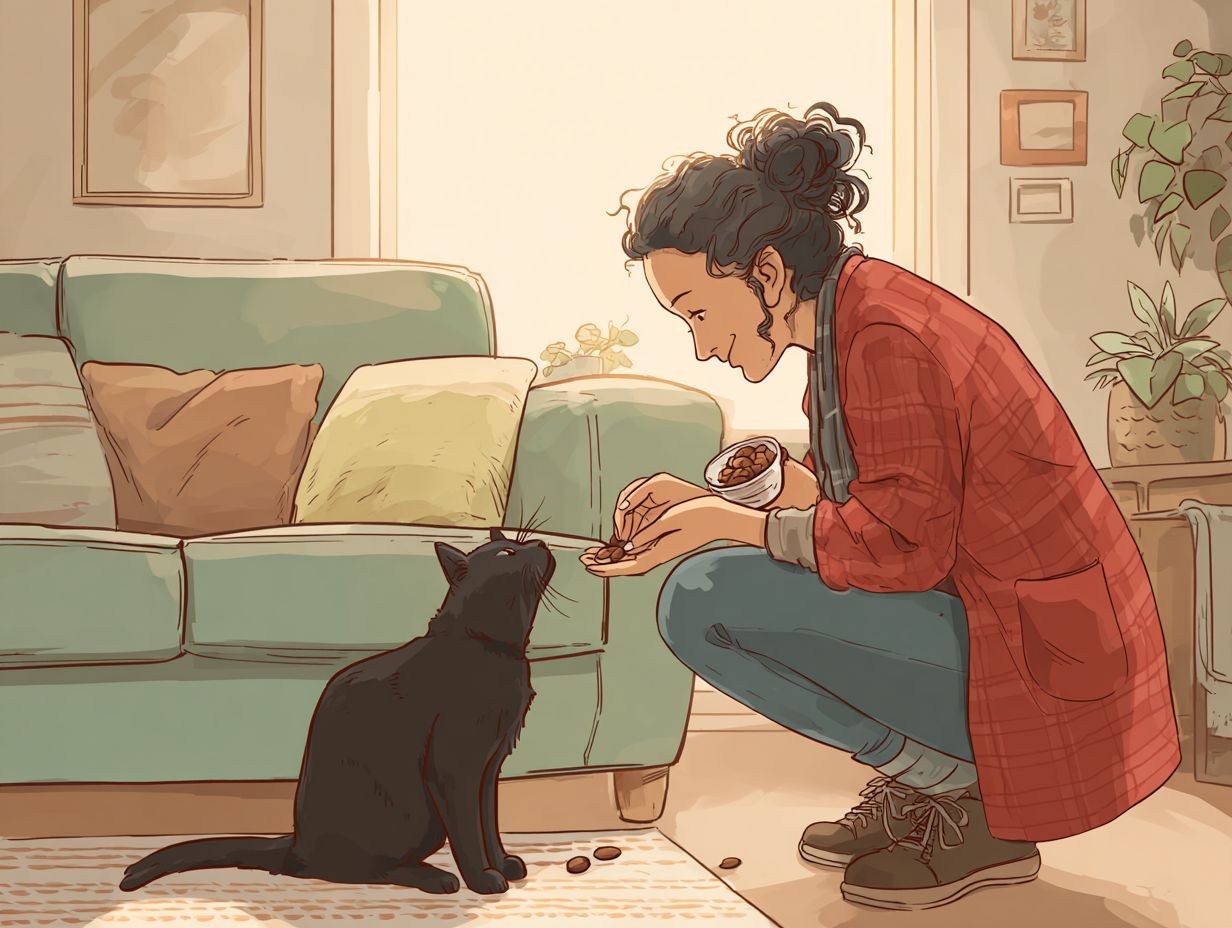
Establishing a bond with a blind cat is a rewarding endeavor that can significantly enhance the quality of life for the animal, while also deepening the relationship between the owner and the pet.
This process emphasizes the importance of building trust and engaging in enjoyable activities and games together.
Establishing trust with a blind cat is crucial for fostering a robust relationship, as it enables the animal to feel secure and comfortable within its environment and with you as its caregiver.
Creating this bond necessitates a commitment to patience and consistency; the manner in which you interact with your feline companion can significantly affect their perception of safety.
It is essential to understand typical cat behaviors, including how they communicate through body language and vocalizations, when working to establish this connection. For example, allowing the cat to explore its surroundings at its own pace can enhance its confidence.
Incorporating sound, scent, and touch into your interactions can further reinforce a positive experience. Always approach the cat in a calm and gentle manner, ensuring that each encounter serves as a step toward building the trust that will greatly benefit both you and your pet.
Engaging in activities and games with a blind cat serves as an effective means of fostering a bond while providing essential mental stimulation and physical enrichment.
Such engagement not only contributes to the overall well-being of the cat but also enhances its confidence in navigating its environment. Incorporating sound-based toys, such as bell balls or crinkly mice, can capture the cat’s attention and promote interactive play.
Additionally, utilizing scent trails with treats or catnip can guide the feline through a mini obstacle course, all while providing verbal guidance.
These forms of sensory interaction not only offer entertainment but also enhance cognitive skills, enabling the cat to explore its surroundings safely and thereby strengthening the emotional connection between pet and owner.

Can you train a blind cat?
Yes, it is possible to train a blind cat using auditory and tactile cues instead of visual ones.
What are some tips for training a blind cat?
Use consistent cues and rewards, keep the training sessions short and positive, and be patient and understanding of the cat’s limitations.
What are some common challenges when training a blind cat?
Blind cats may have difficulty with spatial awareness and may be easily startled by sudden movements or loud noises. They may also have a harder time navigating new environments.
How can I teach my blind cat to come when called?
Use a consistent verbal cue, such as their name, and reward them with a special treat every time they come to you. Gradually increase the distance and distractions during training sessions to challenge your cat’s recall abilities.
Do blind cats learn tricks like sighted cats?
Yes, blind cats are just as capable of learning tricks as sighted cats. However, they may require more time and patience during the training process.
How can I make my home more accessible for a blind cat?
Keep the layout of your home consistent and avoid moving furniture or objects around. Use different textures and scents to help your cat navigate their surroundings, and provide them with a safe and comfortable place to rest.

Cats, frequently perceived as aloof and independent creatures, can unexpectedly display aggressive behaviors that may…

Counter jumping is a prevalent behavior exhibited by many dogs, often resulting in significant frustration…
