
Special Training Tips for Deaf Cats: Expert Guide & Methods

Deafness in cats is a condition that impacts a significant number of felines, yet it…

Bringing a new cat into your home presents an exciting opportunity that can enhance your life and create lasting memories. However, the transition may prove to be somewhat challenging, particularly if you already have existing pets. This guide aims to assist you in preparing your home to ensure a safe and welcoming environment for your new companion. It encompasses effective techniques for introducing your new feline friend to your family, strategies for facilitating their adjustment, approaches to addressing potential challenges, and methods to foster a strong bond. By adhering to these guidelines, you will lay the foundation for a happy and harmonious household.
Key Takeaways
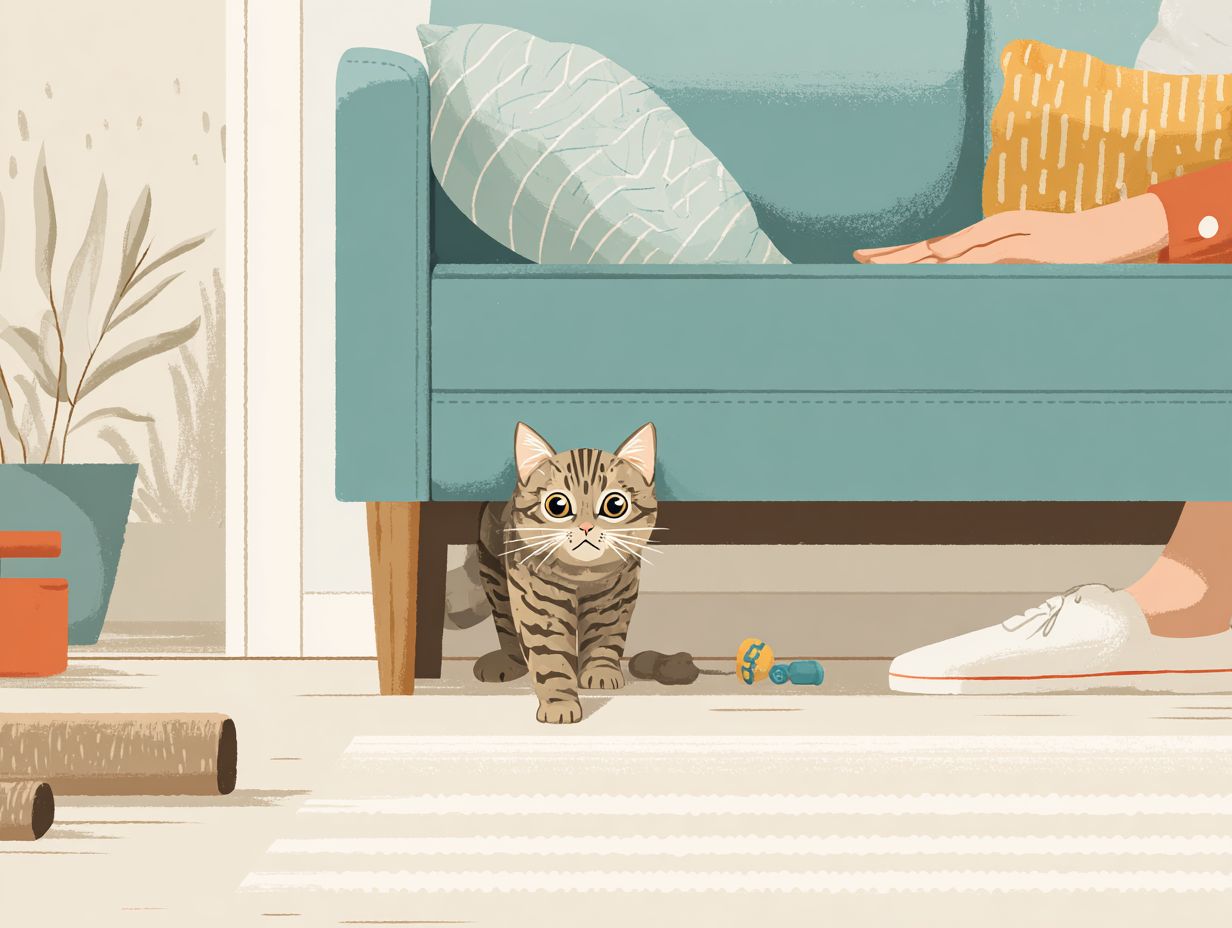
Preparing for the arrival of a new cat is a crucial step that necessitates careful planning and consideration to facilitate a smooth transition into your home.
The process of introduction should commence well in advance of the new feline’s arrival, with an emphasis on creating an environment that accommodates both the new cat and the resident cat.
By effectively managing inter-cat tension and establishing secure spaces, one can foster a harmonious household where both cats feel safe and comfortable. Additionally, seeking guidance from a veterinary behaviorist can offer valuable insights into best practices for successful integration.
Creating a safe and welcoming environment for a new cat is essential to facilitate a smooth transition into the household.
This process involves providing not only comfortable resting areas and cozy hideaways but also establishing a designated transition room where the cat can acclimate to its new surroundings at its own pace. This space should be equipped with essential resources, including:
allowing for safe exploration without overwhelming the pet.
Effective management of the environment is crucial; it is important to remove any hazardous items and ensure that windows and balconies are secured. Additionally, introducing calming measures, such as diffusing pheromones or playing soft music, can significantly enhance the sense of security and comfort within this new habitat.
Introducing a new cat to existing pets necessitates a careful and deliberate approach to promote bonding while minimizing stress and potential intercat tension that may arise during the introduction process.
Supervision and monitoring are critical components of the introduction process, ensuring that both cats feel safe and secure during their interactions.
Careful observation of their behavior enables guardians to identify any signs of stress or discomfort early, such as hissing, swatting, or avoidance. This proactive approach not only prevents potential conflicts but also fosters a more harmonious environment.
To facilitate safe exploration, it is essential to establish a structured space where both felines can engage with one another at their own pace. Providing separate retreat areas allows them the freedom to distance themselves if necessary, while ongoing supervision guarantees that interactions remain positive and enriching.
As a result, an attentive approach promotes confidence and trust, which are crucial for a successful cohabitation.
Assisting a new cat in adjusting to its new home entails the establishment of a consistent routine and clearly defined boundaries, which serve to create a comfortable and stimulating environment.

Establishing a routine and clear boundaries for a new cat is essential for ensuring a smooth adjustment to its new home.
By incorporating structured feeding schedules, consistent playtime, and designated resting areas, one can create an environment that meets the specific needs of the feline companion. Cats thrive on predictability; therefore, regular meal times not only aid in digestion but also foster a sense of security. Introducing engaging toys and providing opportunities for exploration will encourage physical activity and mental stimulation.
It is also important to allow the new cat to establish its own safe spaces within the home, such as cozy beds or quiet corners where it can retreat.
When these components are executed with patience and care, they significantly contribute to helping the cat feel secure and comfortable in its new surroundings.
Providing comfort and stimulation for a new cat is essential for facilitating their acclimation to a new environment and ensuring they feel secure.
Creating a calming atmosphere can significantly enhance their sense of safety. It is advisable to introduce calming treats specifically formulated for feline relaxation, as these can help alleviate anxiety during the adjustment period.
Designating cozy and secure spaces within the home, such as a quiet nook or a plush bed, allows the cat to retreat and feel protected when necessary.
Along with these comforts, engaging the cat in interactive playtime not only mitigates boredom but also fosters a strong bond between the owner and the pet. Utilizing stimulating cat toys, such as feather wands or puzzle feeders, greatly enhances their physical and mental well-being, promoting both happiness and curiosity as they explore their new surroundings.
Addressing potential challenges during the introduction process is crucial for the successful integration of a new cat into the home, particularly in relation to managing aggression and behavioral issues.
Addressing aggression and behavioral issues is essential in ensuring that the introduction of a new cat does not lead to ongoing conflict or distress.
Careful observation of interactions can yield valuable insights into each cat’s body language and triggers, enabling the identification of potential flashpoints before they escalate. Implementing strategies such as gradual introductions, where both cats are permitted to explore each other’s scents without direct contact, can facilitate a smoother transition. Additionally, creating safe spaces for each cat to retreat to can significantly alleviate stress levels and promote a sense of security.
In certain cases, seeking veterinary advice is critical to rule out any underlying medical issues that may contribute to behavioral problems. Employing stress-relief techniques, such as providing engaging toys and maintaining a calm environment, will further enhance the likelihood of a harmonious home atmosphere.
Addressing conflicts related to litter boxes and food is a critical component in fostering a harmonious environment for both the new cat and the resident cat.
To achieve this, it is essential to implement effective resource management strategies. Providing multiple litter boxes and food dishes, strategically placed in separate areas, can significantly reduce competition and territorial disputes.
Cats inherently prefer privacy when using the litter box; therefore, ensuring there is one for each cat, along with an additional box, will promote a sense of security.
Additionally, it is vital to observe their interactions and behaviors concerning these resources. By closely monitoring the cats’ reactions during feeding times and bathroom breaks, owners can identify stress signals and make the necessary adjustments to sustain a calm environment.
These straightforward yet effective strategies not only minimize conflicts but also contribute positively to the overall well-being of both cats.

Establishing a strong bond with your new cat is crucial for developing a trusting and affectionate relationship, which in turn contributes to a harmonious household environment.
Implementing effective strategies for bonding and building trust with a new cat will significantly enhance the relationship and ensure a successful integration.
Cats, much like humans, possess distinct personalities and characteristics, making it essential to engage in play activities that align with their unique traits. For instance, an active tabby may benefit from interactive toys that stimulate their hunting instincts, while a more reserved feline might prefer gentle, solitary pursuits. Recognizing these differences can lead to more productive interactions.
Employing positive reinforcement techniques, such as offering treats or verbal praise, will encourage desired behaviors and gradually foster trust. It is important to exercise patience; taking incremental steps and allowing the cat the necessary space to acclimate to their new environment will enrich the shared experience over time.
Establishing a positive and healthy relationship with a new cat is essential for both their well-being and your enjoyment of their companionship.
Nurturing this bond requires a commitment to ongoing cat care that extends beyond meeting basic needs; it involves recognizing the subtle signs of interaction that indicate your pet feels comfortable and valued in their environment.
For example, behaviors such as purring, kneading, or seeking affection are typically expressions of trust and contentment from the cat.
Incorporating daily playtime, providing comfortable resting spaces, and maintaining a consistent feeding schedule are effective strategies to promote a sense of security for your cat.
It is important to remember that the more quality time you invest in nurturing this connection, the deeper the mutual trust will develop, thereby ensuring a loving relationship that endures over time.

How do I prepare my home for a new cat?
Before bringing a new cat into your home, it’s important to make sure the environment is safe and welcoming. This includes providing a litter box, food and water bowls, and a comfortable place for them to sleep. Additionally, you may want to provide some toys and scratching posts to keep them entertained.
How long should I wait before introducing my new cat to other pets in the house?
It’s recommended to wait at least a week before introducing your new cat to other pets in the house. This will give them time to adjust to their new surroundings and feel more comfortable before meeting other animals.
What steps should I take when introducing my new cat to other pets?
The first step is to keep the new cat in a separate room for a few days, allowing them to get used to their new environment. Then, you can slowly introduce them to the other pets by using a baby gate or screen door to separate them. It’s important to supervise the interactions and reward positive behavior.
How can I help my new cat feel more comfortable in their new home?
To help your new cat feel more comfortable, you can provide them with a safe hiding spot, such as a cat tree or a covered bed. You can also try using pheromone sprays or diffusers to create a calming atmosphere. Be patient and give them time to adjust to their new surroundings.
What should I do if my new cat seems scared or aggressive towards me or other pets?
If your new cat shows signs of fear or aggression, it’s important to give them space and not force them to interact. It may also be helpful to consult with a professional behaviorist for tips on how to handle the situation and make the introduction process smoother.
Is it okay to introduce my new cat to my children right away?
It’s important to introduce your new cat to children slowly and under supervision. Children should be taught how to properly interact with the new cat, such as gentle petting and not pulling on their tail. This will help the cat feel more comfortable and prevent any potential negative interactions.

Deafness in cats is a condition that impacts a significant number of felines, yet it…

Cats are intriguing animals, recognized for their distinctive behaviors and habits, particularly their tendency to…