
How to Train a Blind Cat: Essential Tips for Beginners

Caring for a blind cat can be an immensely rewarding experience; however, it also presents…


Cats are cherished companions, yet their biting behavior can be both perplexing and concerning for many owners. Understanding the underlying reasons for feline biting is essential for fostering a harmonious relationship with one’s pet. This guide examines various aspects of biting behavior, ranging from potential medical issues to training techniques that utilize positive reinforcement. It offers practical advice for preventing bites and establishing a safe environment, as well as recommendations on when to seek professional assistance. Whether one is dealing with a biting cat or aims to prevent such behavior, this comprehensive guide provides valuable insights and solutions.
Key Takeaways

Understanding the reasons behind biting behavior in cats is essential for pet owners to promote healthy interactions and reduce discomfort in their feline companions.
This behavior can arise from various factors, including overstimulation during play, a desire for attention, or as a means of communication to indicate discomfort or aggression.
It is imperative for pet owners to recognize these signals in order to effectively address unwanted biting and create a positive environment for both the cats and their owners.
Several factors contribute to a cat’s biting behavior, often associated with its environment and emotional state. Overstimulation during play can lead to aggressive responses, while misinterpretation of body language and signals can escalate interactions into biting incidents.
A cat’s anxiety may trigger biting, particularly when it feels threatened by unfamiliar individuals or loud noises. Additionally, a cluttered or chaotic home environment can exacerbate stress, prompting the cat to react defensively.
It is essential to understand the indicators that signal discomfort or agitation, such as twitching tails, flattened ears, or dilated pupils, in order to prevent biting occurrences. By creating a calm and secure environment for their feline companion, owners can mitigate potential triggers and promote a more harmonious relationship.
Observing and respecting a cat’s boundaries is crucial, as it facilitates interactions that are enjoyable rather than confrontational.
Preventing biting behavior in cats necessitates a consistent training approach and a thorough understanding of their needs.
The utilization of positive reinforcement techniques can effectively shape desired behaviors, while redirection strategies can offer alternatives to aggressive actions.
This proactive approach fosters a more harmonious relationship between cats and their owners.
Positive reinforcement techniques are vital in training cats to mitigate biting behavior and encourage affectionate play. By rewarding cats with treats or praise for demonstrating calm interactions, pet owners can reinforce desirable behaviors and decrease instances of aggression.
Incorporating these strategies into daily interactions can be straightforward yet impactful. For example, clicker training is an effective method in which a distinct sound, such as a click, is utilized to immediately mark positive behavior, followed by a treat.
This approach helps cats associate the sound of the click with a positive outcome, thereby enhancing their engagement and comprehension. Verbal praise, delivered in an enthusiastic tone, is also essential; it not only affirms the desired behaviors but also fosters a warm and trusting relationship between the owner and the cat.
By consistently implementing these techniques during playtime, feeding, and other interactions, owners can effectively guide their cats toward more playful and less aggressive behaviors.

To effectively discourage aggressive behavior in cats, it is essential to recognize the signs of discomfort and intervene appropriately. Understanding the subtle signals that indicate a cat’s distress can assist pet owners in redirecting their feline companions before aggression escalates to biting.
Establishing a safe environment is crucial; creating designated quiet spaces where cats can retreat when they feel threatened can significantly alleviate tension. Encouraging calm interactions between humans and felines will contribute to a more peaceful atmosphere.
Playtime is also vital, as utilizing engaging toys allows cats to express their natural hunting instincts without resulting in aggression.
It is important for guardians to be attentive and responsive to their cat’s body language to identify signs of discomfort early and take proactive measures to prevent potentially harmful situations.
Addressing the underlying issues that lead to biting behavior is essential for the well-being of cats.
Both medical causes and behavioral triggers can contribute to aggressive actions, making it imperative for pet owners to consult a veterinarian.
Additionally, understanding their cat’s emotional expressions is crucial for developing effective strategies for resolution.
Medical factors, such as pain in certain area that the owner may touch along with behavioral triggers, including environmental stressors, can significantly impact a cat’s propensity to bite. Identifying these elements is essential for effective management and intervention.
Various medical conditions, including hyperthyroidism, dental disease, and arthritis, may lead to discomfort and pain, which can manifest as uncharacteristic aggression. Regular veterinary examinations are critical, as they facilitate early detection of these conditions and provide opportunities for appropriate treatment.
Environmental changes, such as relocating to a new residence or introducing new pets, can induce considerable stress, potentially resulting in defensive biting behavior. A thorough understanding of the underlying causes through comprehensive behavioral assessments is vital, as it aids in the development of a customized strategy for behavior modification while ensuring the cat’s emotional and physical well-being is prioritized.
Addressing an aggressive cat requires prompt and effective measures to ensure safety and minimize discomfort.
Understanding the context of the biting incident enables pet owners to take appropriate actions, such as implementing redirection techniques or employing calming strategies to manage the situation effectively.
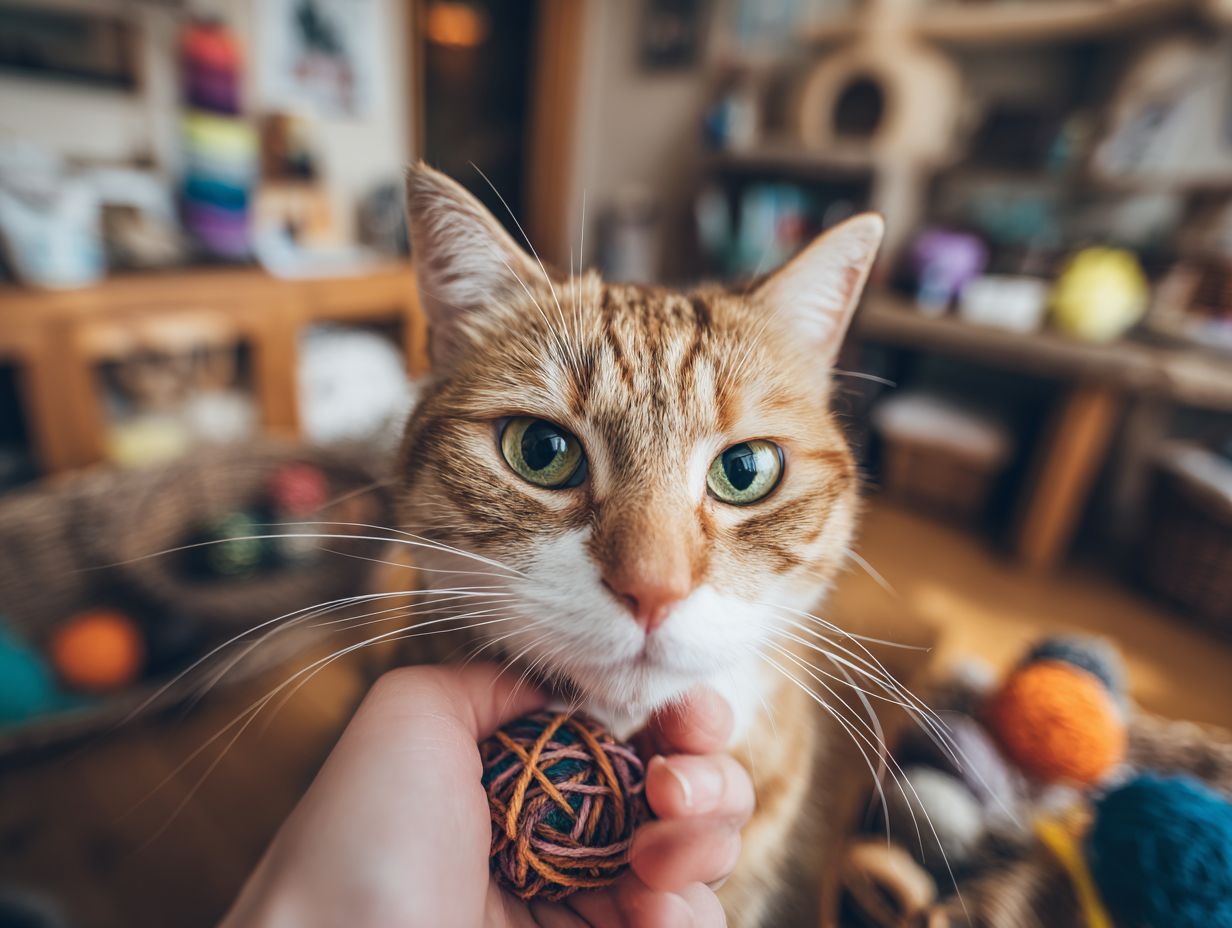
When faced with an aggressive cat, it is imperative to take immediate actions that prioritize safety and minimize the risk of escalation. Recognizing the warning signals that precede a bite can assist pet owners in effectively redirecting their cat’s behavior.
Careful observation of the cat’s body language can provide valuable insights into their mood, allowing for better anticipation of their behavior.
Maintaining a calm demeanor during these encounters is crucial, as responding with anxiety or frustration may exacerbate the situation. Consistency in these responses reinforces positive behaviors and helps build trust between the cat and its owner.
Managing biting behavior in cats requires the establishment of a safe and comfortable environment, as well as a careful consideration of their needs.
Pet owners can adopt a range of strategies to reduce incidents of biting and should not hesitate to seek professional assistance if necessary, in order to maintain a harmonious relationship with their feline companions.
Establishing a safe and comfortable environment for cats is essential for preventing biting behavior and promoting positive interactions. By understanding the specific needs of their feline companions, pet owners can customize their surroundings to enhance their cats’ comfort and mitigate stress-related aggression.
Incorporating elements such as cozy hiding spots is crucial, as these areas provide retreat zones where cats can feel secure and less threatened. Additionally, engaging toys that stimulate their natural instinct to play will not only entertain them but also offer essential mental and physical exercise, thereby contributing to their overall well-being.
Minimizing stressors, such as loud noises or sudden movements, can significantly reduce anxiety levels in cats. Furthermore, observing a cat’s reactions to various stimuli-such as new toys or alterations in their environment-enables caregivers to make necessary adjustments, ensuring that their feline companions feel safe and valued.
When biting behavior persists despite attempts to manage it, seeking professional assistance becomes essential for both the cat’s well-being and the pet parent’s peace of mind. Consulting a veterinarian or a certified animal behaviorist can provide valuable insights and tailored training strategies to effectively address behavioral issues.
During consultations, experts will typically conduct a thorough assessment of the cat’s history and environment, which is crucial for identifying underlying triggers. Pet parents can anticipate a comprehensive evaluation that includes discussions about past experiences, daily routines, and interactions with other animals.
Based on this collaborative approach, professionals will assist in creating customized training plans that focus not only on modifying the specific biting behavior but also on enhancing the overall quality of life for both the cat and its owner.
This process often involves setting realistic goals, employing positive reinforcement techniques, and establishing a consistent routine, all aimed at fostering a more harmonious relationship.

Why does my cat bite me?
Cats may bite for various reasons such as play, aggression, or fear. It’s important to understand the root cause of their biting behavior to effectively stop it.
What should I do when my cat bites me?
It’s important to not react aggressively or punish your cat. Instead, calmly redirect their behavior by offering them a toy or a scratching post as an alternative to biting.
Can I train my cat to stop biting?
Yes, you can train your cat to stop biting by using positive reinforcement techniques. Reward them with treats and praise when they exhibit good behavior, and redirect their biting behavior to appropriate objects.
How can I prevent my cat from biting when playing?
It’s important to establish boundaries and rules during playtime. If your cat starts to bite, immediately stop playing and walk away. This will teach them that biting ends the fun.
My cat only bites me, not anyone else. Why?
Cats may have a stronger bond with one person and see them as their playmate. If your cat only bites you, it’s important to establish clear boundaries and teach them that biting is not acceptable behavior.
Is getting my cat declawed the solution to stop biting?
No, declawing is a cruel and unnecessary procedure that can lead to long-term physical and behavioral issues. It’s important to address the root cause of your cat’s biting behavior instead of resorting to declawing.

Caring for a blind cat can be an immensely rewarding experience; however, it also presents…

Counter jumping is a prevalent behavior exhibited by many dogs, often resulting in significant frustration…