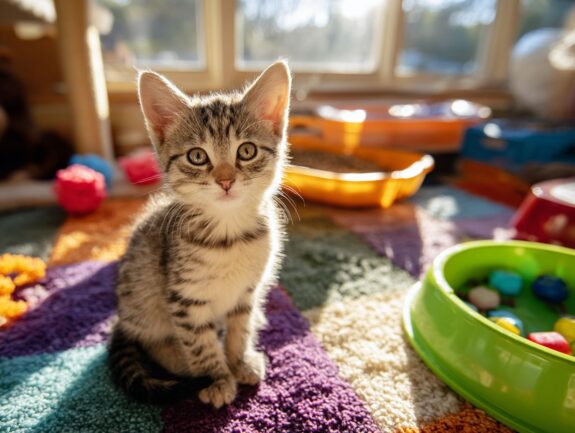
Complete Kitten Care Guide: Tips for Happy and Healthy Cats

Bringing a kitten into one's home represents an exciting venture characterized by joy and companionship,…


Understanding the lifespan of our feline companions is essential for every cat owner. It is important to note that indoor and outdoor cats can exhibit significantly different life expectancies. This article examines the various factors that influence longevity, the advantages and disadvantages of indoor versus outdoor living, and the prevalent health issues associated with each lifestyle. Additionally, it provides practical advice aimed at helping your cat lead a longer and healthier life while highlighting the signs of aging to monitor as your cherished pet matures. We invite you to explore the insights into a cat’s lifespan.
Key Takeaways

The lifespan of indoor and outdoor cats varies considerably, influenced by several factors such as their environment, diet, and the level of care provided by their owners.
Typically, indoor cats enjoy a longer life expectancy, often exceeding 15 years, whereas outdoor cats encounter numerous health risks, including accidents, predation, and diseases, which can significantly reduce their lifespan.
According to feline experts, the environment plays a pivotal role in determining a cat’s longevity, making it essential for cat owners to understand these differences to ensure responsible pet ownership.
Several factors significantly influence the longevity of cats, including their health issues, nutritional requirements, and whether they have been spayed or neutered, as these measures can reduce the risks associated with certain diseases.
Regular exercise is essential for maintaining a healthy weight and ensuring strong muscles and joints. Additionally, proper nutrition that is tailored to the specific life stages and health needs of the cat contributes to their overall vitality, thereby minimizing the risk of obesity-related conditions.
Routine healthcare, which includes regular veterinary check-ups and timely vaccinations, is critical for the early detection and prevention of potential health issues.
By prioritizing parasite prevention, pet owners can further enhance their cats’ overall well-being, allowing them to lead longer, healthier lives filled with activity and companionship.
Both indoor and outdoor living environments offer distinct advantages for cats, providing various opportunities for mental stimulation, physical health, and overall well-being as domesticated animals.
Indoor cats benefit from a controlled environment that includes access to enriching toys and structures, such as cat trees. Conversely, outdoor cats have the opportunity to engage in natural behaviors and exercise within secure outdoor spaces.
Recognizing these benefits equips cat owners to make informed decisions regarding their pets’ living conditions.
When evaluating the advantages and disadvantages of keeping cats indoors versus allowing them outdoor access, it is essential to consider the health risks associated with outdoor living. These risks include exposure to parasites and accidents, which must be weighed against the personal safety and environmental enrichment that indoor environments can provide.
Indoor cats typically have access to a secure environment that significantly reduces their risk of encounters with vehicles, predators, annoying parasites such as ticks and fleas and communicable diseases such as feline leukemia or feline immunodeficiency virus. These controlled settings can be enhanced through the inclusion of various enriching activities, including interactive toys, climbing structures, and scratching posts, which promote both physical and mental stimulation.
In contrast, outdoor cats may be subjected to dangers posed by harsh weather conditions and potential toxins. To strike a balance between the desire for fresh air and exploration, supervised outdoor excursions can be beneficial, allowing cats to experience the outdoors while ensuring their safety.
Utilizing harnesses or enclosed cat patios can facilitate these experiences without exposing them to substantial risks.

Indoor and outdoor cats are prone to various health issues. Indoor cats frequently experience obesity and litter box complications, whereas outdoor cats may contend with injuries, parasites, and infectious diseases.
It is crucial for cat owners to understand these prevalent health concerns to ensure that appropriate preventive care and treatment options are available, thereby promoting the overall health and well-being of their feline companions.
The incidence of health issues in cats can be substantially mitigated through proactive measures such as regular veterinary check-ups, parasite prevention, and the acquisition of cat insurance, which can assist in managing healthcare expenses effectively.
By ensuring routine vaccinations and dental care, cat owners can further enhance their feline companions’ defenses against common illnesses. Maintaining a balanced diet tailored to the specific needs of the cat will contribute to improved overall well-being and longevity.
The significance of mental stimulation and exercise should not be underestimated, as these factors play a critical role in preventing obesity-related diseases. Additionally, by exploring various cat insurance options, owners can identify affordable methods to secure the health of their pets.
Ultimately, the responsibilities associated with cat ownership extend beyond merely providing shelter; it is essential for caretakers to remain informed and proactive in managing their pets’ health.
To enhance the longevity and health of your cat, it is essential to provide opportunities for increased lifespan through regular exercise, mental stimulation, and environmental enrichment.
These elements are crucial for enabling your cat to thrive both physically and emotionally.
Best practices for cat owners include providing a balanced diet with appropriate cat food, ensuring regular veterinary check-ups, and considering spaying or neutering, all of which contribute to mitigating health risks and promoting longevity.
Along with these foundational aspects, cat owners should pay attention to the specific dietary needs of their feline companions, which may vary based on factors such as age, weight, and health status. Incorporating high-quality wet food can assist in maintaining hydration and supporting kidney function.
Furthermore, routine healthcare visits should encompass vaccinations, dental examinations, and parasite control to identify potential issues at an early stage.
Engaging in play and creating stimulating environments is essential for maintaining mental health, while discussions regarding spaying or neutering can lead to improved behavioral outcomes and a reduction in certain health risks.
Ultimately, adopting a holistic approach not only fosters a healthier life for pets but also strengthens the bond between cats and their owners.

A comprehensive understanding of a cat’s aging process is essential for recognizing the signs and symptoms associated with aging, which can vary according to health status and breed.
As cats advance in age, they may undergo changes in behavior, mobility, and overall health. Therefore, it is imperative for cat owners to remain informed and attentive to the needs of their feline companions.
Common signs and symptoms of aging in cats encompass changes in activity levels, dietary preferences, and behavioral modifications, which often indicate a need for adjustments in care and potential treatment options.
As felines transition into their senior years, significant alterations may occur in their grooming habits, weight, and even dental health. Pet owners may notice that their cats are sleeping more than usual or exhibiting reduced engagement during playtime, which may signal underlying health concerns.
Additionally, some cats may experience increased anxiety or become more vocal, reflecting shifts in mood or cognitive function.
To enhance their health and longevity, cat owners should consider:
Facilitating gentle exercise and creating a stimulating environment can also contribute positively to their quality of life during their senior years.

How long do indoor/outdoor cats live?
The lifespan of an indoor/outdoor cat can vary greatly, but on average, they can live between 12-18 years.
What factors can affect the lifespan of an indoor/outdoor cat?
The lifespan of a cat can be affected by various factors such as genetics, overall health, diet, and environmental hazards.
Do indoor/outdoor cats live longer than strictly indoor cats?
It is not necessarily true that indoor/outdoor cats live longer than strictly indoor cats. It ultimately depends on the individual cat’s circumstances and lifestyle.
How can I help my indoor/outdoor cat live a long and healthy life?
To help your cat live a long and healthy life, make sure to provide regular vet check-ups, a balanced and nutritious diet, and a safe and stimulating environment.
At what age do indoor/outdoor cats typically start to show signs of aging?
Cats typically start showing signs of aging around 7-10 years old, but it can vary depending on the individual cat’s health and genetics.
Why is it important to keep outdoor cats indoors at night?
Keeping outdoor cats indoors at night can help prevent potential dangers such as attacks from other animals, getting hit by cars, and exposure to toxins or diseases.

Bringing a kitten into one's home represents an exciting venture characterized by joy and companionship,…
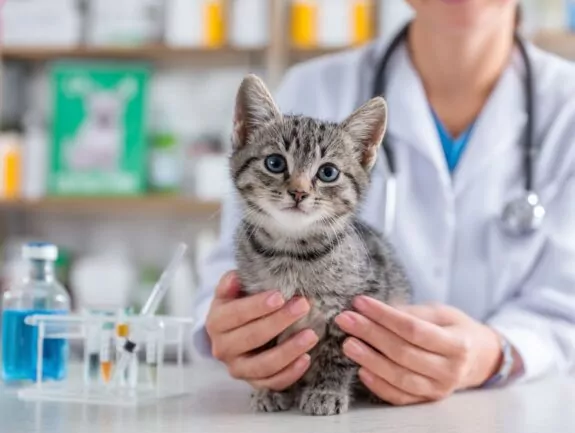
Vaccinating your kitten is one of the most critical measures to ensure a long and…