
Cat Food Allergies: Key Signs and Effective Treatments Revealed

Cat food allergies represent a significant challenge for both pets and their owners. Understanding the…

If one has observed a decrease in their feline companion’s weight, it is imperative to comprehend the implications of cat weight loss. While some fluctuations in weight can be considered normal, substantial weight loss may indicate underlying health issues or behavioral changes that warrant attention. This article aims to provide guidance on what constitutes a healthy weight for cats, explore potential causes of weight loss, and highlight key signs to monitor. Additionally, it will discuss diagnostic and treatment options available. Furthermore, the article will offer recommendations on how to maintain your cat’s health and prevent unwanted weight loss. Understanding these factors is crucial in ensuring that your feline companion leads a happy and healthy life.
Key Takeaways

Comprehending cat weight loss is essential for cat owners, as it can have a profound impact on a feline’s overall health and well-being.
In Catonsville, the esteemed veterinarians at the Catonsville Cat Clinic, including specialists such as Dr. Pam Nesbitt, underscore the importance of preventative care and the early identification of weight-related concerns.
These elements, in conjunction with regular wellness examinations and tailored pet care, are critical in promoting a fulfilling life for cherished cats while addressing their health requirements.
Determining the appropriate weight range for a cat is essential for their overall health and well-being, significantly influencing their quality of life.
It is important to recognize that the ideal weight can vary considerably based on factors such as breed and size. Therefore, it is crucial for pet owners to consult veterinary guidelines and resources specifically tailored to their feline companions.
For example, a healthy weight for a Siamese cat typically falls between 6 and 12 pounds, while larger breeds, such as the Maine Coon, may weigh between 10 and 25 pounds.
Maintaining a healthy weight is vital, as being underweight can lead to compromised immune function and nutritional deficiencies, whereas overweight cats face increased risks of diabetes, arthritis, and cardiovascular issues.
Statistics indicate that over 60% of domestic cats are classified as overweight or obese, highlighting the necessity for regular veterinary assessments and effective weight management strategies to promote feline health.
Weight loss in cats can be attributed to a variety of factors, encompassing both medical conditions and behavioral issues.
These factors can significantly impact the overall well-being of the feline.
Understanding the medical conditions and behavioral factors that contribute to weight loss in cats is essential for effective management and treatment.
Weight loss in feline patients may often serve as an indicator of underlying health issues that can remain unnoticed until they progress into more serious complications. Conditions such as chronic kidney disease and hyperthyroidism are known to result in significant weight loss, while dental problems may induce pain that prevents the cat from eating normally.
Additionally, behavioral changes, including increased anxiety or alterations in routine-whether due to a new environment or the introduction of new pets-can substantially affect a cat’s eating habits.
Early recognition of these factors is crucial for pet owners, as it enables them to seek veterinary advice in a timely manner, ensuring that each cat receives the appropriate care and attention it requires.
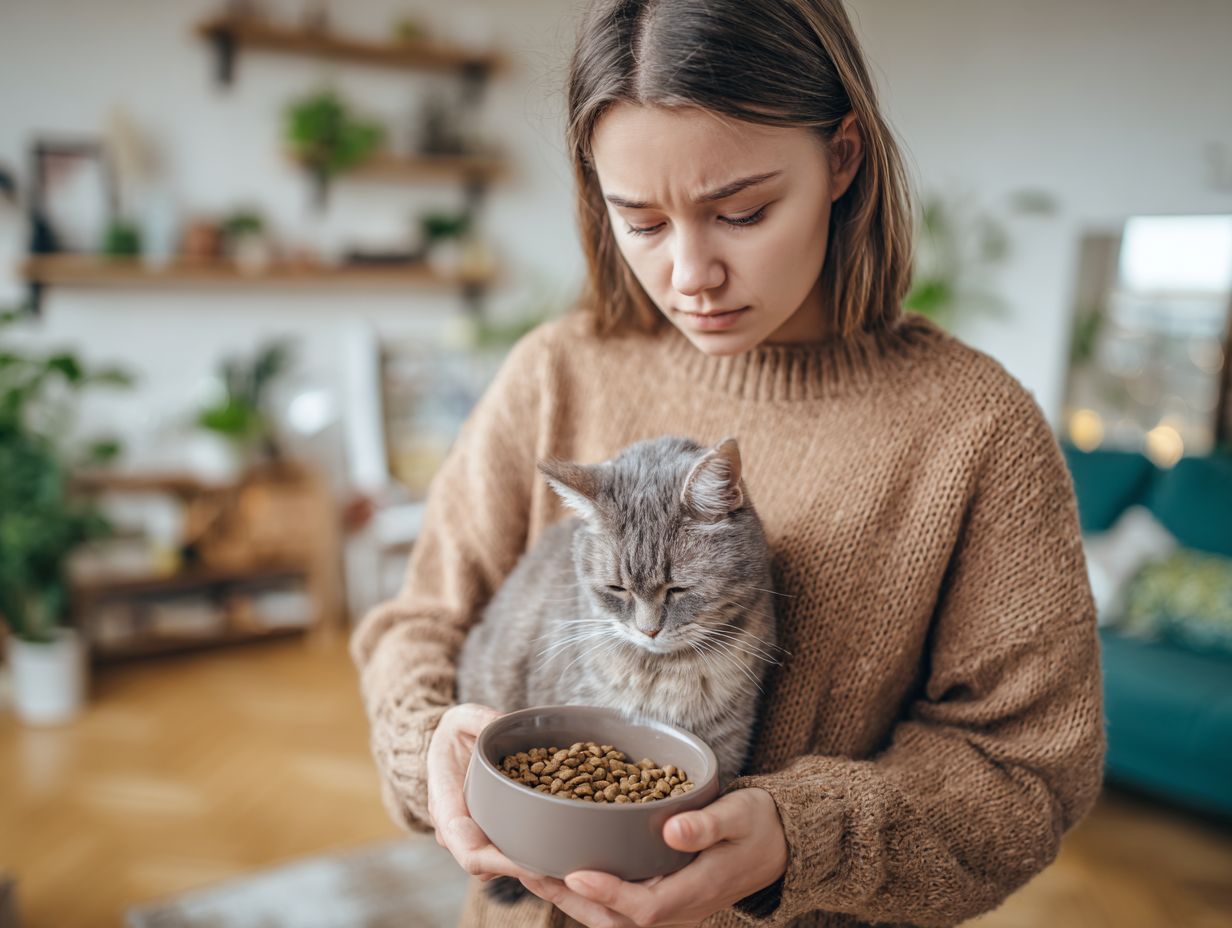
Identifying weight loss in cats is a crucial skill for cat owners, as early detection of weight changes can facilitate timely veterinary intervention and potentially save lives.
Recognizing the signs and symptoms of weight loss in cats is essential for ensuring prompt medical intervention and maintaining their overall health.
A cat that experiences a sudden increase in thirst, frequently visiting the water bowl, may be attempting to compensate for a lack of nutrients. Changes in grooming habits, such as excessive shedding or a greasy coat, can indicate underlying nutritional or health-related concerns.
Additionally, alterations in behavior, such as increased lethargy or withdrawal from social interactions, often suggest that a feline may be unwell. Pet owners should remain vigilant in observing these indicators, as they could signify the necessity for veterinary services to evaluate potential illnesses and provide appropriate care solutions.
Furthermore, regular check-ups are beneficial for monitoring weight and overall wellness.
Diagnosing and treating weight loss in cats necessitates a comprehensive approach that encompasses detailed examinations conducted by qualified veterinary professionals, alongside the development of individualized treatment plans.
Veterinary professionals employ a variety of diagnostic tests and treatment options to effectively manage weight loss in cats, ensuring that these animals receive the highest standard of care.
These diagnostic tests may encompass comprehensive blood analyses to assess organ function and identify underlying health conditions such as hyperthyroidism or diabetes. Additionally, urinalysis can be conducted to detect kidney issues or urinary tract infections, which may contribute to weight loss. Once the underlying cause is established, treatment options can be customized to meet the specific needs of the feline patient.
This often includes dietary management, whereby a veterinarian may recommend a specialized diet designed to facilitate optimal weight gain while fulfilling the cat’s nutritional requirements. Furthermore, medications may be prescribed to address any specific health concerns identified during testing, thereby promoting recovery and supporting a return to a healthy weight.
Preventing weight loss in cats constitutes a proactive strategy that emphasizes an understanding of their health requirements and the implementation of effective measures to maintain a healthy weight throughout their lifespan.
Maintaining a healthy weight in cats is essential for their longevity and quality of life. There are several effective strategies that cat owners can implement to achieve this goal.
Portion control is critical; measuring food according to the veterinarian’s recommendations can help prevent overeating.
Engaging cats in regular exercise, whether through interactive play or providing vertical climbing spaces, can significantly improve their physical health and stimulate mental activity.
Regular veterinary check-ups are also important, as they facilitate ongoing weight monitoring and provide tailored dietary advice.
Additionally, owners should be attentive to their cats’ eating habits and body condition, making necessary adjustments in their care to ensure optimal health.
By incorporating these strategies into their daily routines, cat owners can make a substantial contribution to the overall well-being of their pets.

What are some common reasons for a cat to lose weight?
The most common reasons for a cat to lose weight include a change in diet, increased physical activity, and underlying medical conditions.
Can stress cause a cat to lose weight?
Yes, stress and anxiety can cause a cat to lose weight. It can be triggered by changes in their environment, such as a new home or the introduction of a new pet.
Are there any behavior changes I should look out for if my cat is losing weight?
Along with weight loss, you should also be on the lookout for decreased appetite, increased thirst, and changes in bathroom habits as these can be signs of underlying medical conditions that may be causing the weight loss.
What are some serious medical conditions that could be causing my cat to lose weight?
Possible serious medical conditions that could be causing weight loss include diabetes, hyperthyroidism, and kidney disease. It is important to take your cat to the veterinarian for a proper diagnosis and treatment.
Is it normal for an older cat to lose weight?
Weight loss in older cats can be a natural part of aging, but it should not be significant. If your cat is losing weight rapidly or exhibiting other symptoms, it is best to consult with a veterinarian.
What should I do if my cat is losing weight?
If your cat is losing weight, it is important to take them to the veterinarian for a check-up. They will be able to determine the cause of weight loss and provide proper treatment. In the meantime, make sure your cat has access to fresh water and a balanced diet.

Cat food allergies represent a significant challenge for both pets and their owners. Understanding the…

Dental health is often an overlooked aspect of feline care; however, it plays a crucial…
