
Managing Diabetes in Cats: Essential Tips for Pet Owners

Feline diabetes is an increasing concern for cat owners, significantly impacting the health and quality…

Dental health is often an overlooked aspect of feline care; however, it plays a crucial role in a cat’s overall well-being. Similar to humans, cats can experience various dental diseases, which may result in pain, infection, and other health complications if left untreated. This document provides an overview of the common types of dental disease, their risk factors, and guidance on how to identify the signs early. Additionally, it offers practical advice on preventive care, treatment options, and the importance of nutrition in maintaining optimal dental health for your cat. Understanding these elements will equip you with the knowledge necessary to ensure your feline companion maintains a healthy and bright smile.
Key Takeaways

Understanding dental disease in cats is essential for maintaining their overall health and well-being, as various dental disorders can lead to serious complications if left untreated.
Common issues such as gingivitis, periodontitis, and tooth resorption affect a significant number of cats, adversely impacting not only their oral hygiene but also their overall quality of life.
Regular dental care is critical for cat owners to ensure that their feline companions remain free from the pain and discomfort associated with dental problems.
By acknowledging the importance of preventive measures and seeking appropriate veterinary care, cat owners can effectively mitigate the risks associated with periodontal disease and other dental disorders.
Common types of dental diseases in cats include gingivitis, periodontitis, and tooth resorption, among others, all of which pose significant threats to feline oral health. These conditions often arise from insufficient dental care and can lead to serious complications if not addressed in a timely manner.
It is essential for cat owners to understand the underlying causes of these dental issues. For example, gingivitis presents as inflammation of the gums, primarily due to plaque accumulation, which may also result in halitosis and discomfort during feeding.
Periodontitis, a more severe condition, not only affects the gums but can also compromise the supporting structures of the teeth, potentially leading to tooth loss. Tooth resorption is another painful condition characterized by the gradual breakdown of a cat’s teeth, often necessitating extraction.
Regular dental care, which includes professional cleanings and routine examinations, is vital in preventing these conditions. Maintaining an appropriate at-home dental care routine can significantly enhance a cat’s overall health and quality of life.
Understanding the risk factors associated with dental disease in cats is essential for implementing effective preventive care. Factors such as inadequate oral hygiene, insufficient nutrition, and underlying health conditions can contribute to the development of dental disorders, including periodontal disease and halitosis.
As cats age, the natural deterioration of their teeth can exacerbate pre-existing conditions, thereby making regular dental evaluations increasingly critical. Additionally, certain breeds may have a genetic predisposition to oral health issues, placing them at a heightened risk.
These factors can significantly affect the immune system, which consequently influences the overall oral health of the cat. It is imperative for owners to adopt a proactive stance by incorporating regular dental check-ups, appropriate nutritional guidelines, and consistent home care routines into their cat’s health regimen.
This comprehensive approach can help mitigate potential dental problems and promote a healthier, happier life for feline companions.
Recognizing the signs and symptoms of dental disease in cats is essential for early intervention and effective treatment.
Common indicators include oral pain, excessive drooling, and noticeable changes in behavior associated with eating and grooming.
Cat owners should be vigilant for signs such as gingival inflammation and halitosis, as these may indicate underlying dental disorders that necessitate immediate attention.
Identifying oral health issues in cats necessitates careful observation and regular dental examinations conducted by a veterinarian. Key indicators of potential problems include the presence of plaque and tartar buildup, which may result in more severe dental disorders if not addressed promptly.
Cat owners are encouraged to perform visual inspections of their pet’s mouth, looking for signs of redness, swelling, or unusual discharges. Additionally, it is essential to monitor any changes in behavior, such as reluctance to eat, excessive drooling, or pawing at the mouth, as these may indicate discomfort or pain.
Regular dental cleanings performed by professionals complement these observations and play a critical role in maintaining optimal oral health. Routine veterinary examinations not only aid in the early detection of issues but also provide valuable insights into preventative care, thereby ensuring a healthy and happy life for the feline companion.
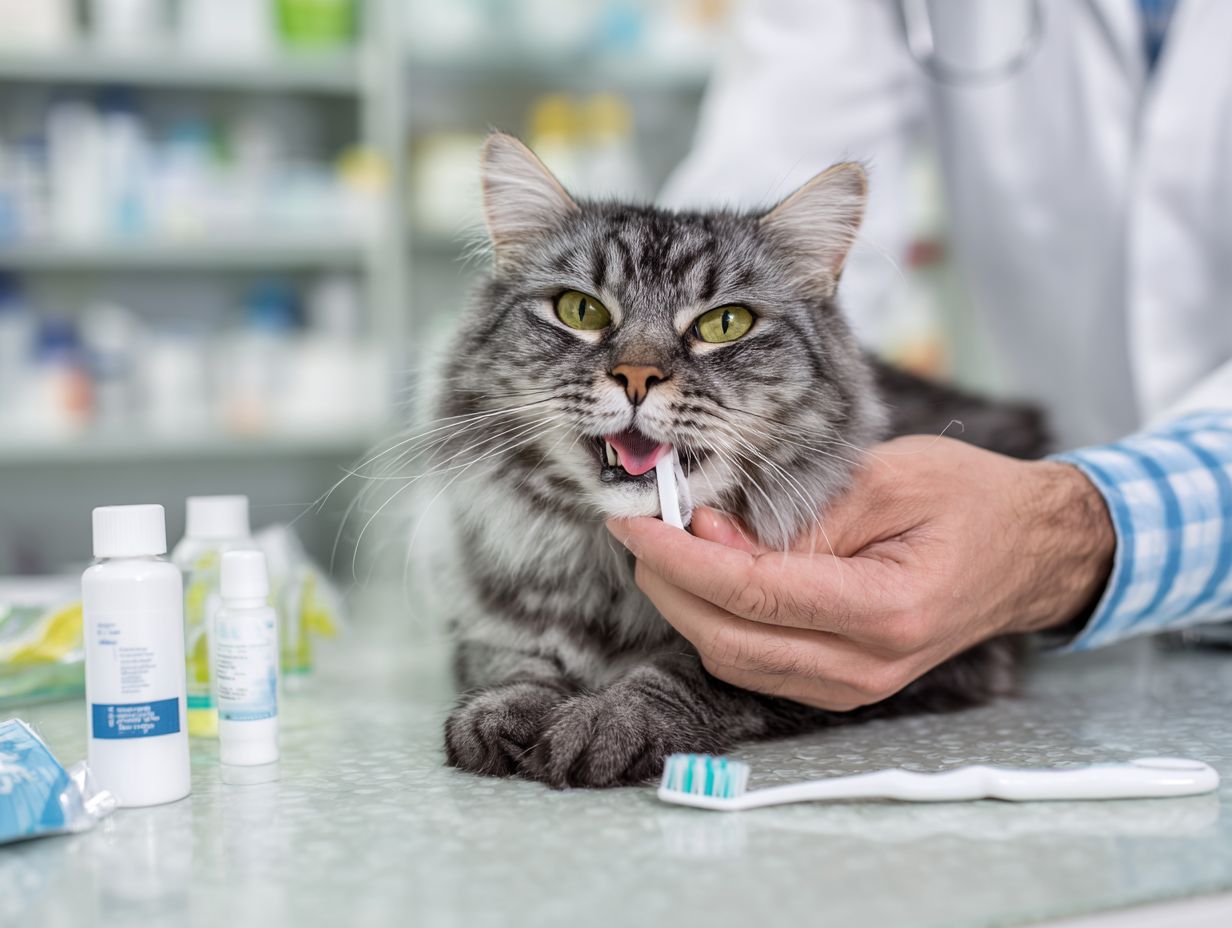
Implementing preventive measures for dental disease in cats is crucial for maintaining optimal oral health and preventing serious dental disorders.
Establishing effective at-home dental care routines, which may include the application of dental gels and consistent brushing, in conjunction with regular veterinary check-ups and professional cleanings, can significantly mitigate the risk of dental issues such as gingivitis and periodontitis.
At-home dental care is an essential component of maintaining a cat’s oral health and preventing dental disorders, such as gingivitis and tartar buildup. Regular brushing, in conjunction with the application of dental gel, can significantly enhance oral hygiene and mitigate the risk of developing dental diseases.
These practices not only assist in maintaining clean teeth but also facilitate the early identification of any underlying issues. Incorporating specialized cat food formulated to promote dental health can further complement this routine, as certain textures are designed to mechanically reduce plaque and tartar accumulation.
Additionally, utilizing dental chews or treats offers a practical approach for cats to participate in their oral care. By establishing a consistent dental care routine, cat owners can ensure their pets maintain healthy gums and teeth, ultimately contributing to their overall well-being.
Regular veterinary check-ups play a crucial role in maintaining the dental health of cats. These examinations allow for comprehensive dental assessments and professional cleanings, which are essential for preventing and addressing dental diseases. A veterinarian is equipped to identify early signs of dental disorders and can recommend suitable preventive care strategies tailored to the specific needs of each cat.
During a dental examination, pet owners can anticipate a thorough assessment of their cat’s teeth and gums. The veterinarian will examine for plaque and tartar buildup, signs of inflammation, and any potential infections.
These visits also facilitate professional cleanings that surpass the capabilities of at-home dental care. By investing in regular dental care, cat owners not only improve their pets’ immediate comfort but also contribute to their long-term health. Untreated dental issues can lead to severe conditions that affect vital organs, underscoring the importance of routine check-ups for maintaining overall well-being.
When dental disease is diagnosed in cats, a range of treatment options is available, including dental cleaning, oral medications, and more invasive procedures such as tooth extraction or dental surgery.
The selection of the appropriate treatment will be contingent upon the severity of the condition and the overall health status of the cat.
Dental cleanings and procedures are crucial for the effective management of dental diseases in cats, as they assist in the removal of plaque and tartar buildup, which can lead to more serious health issues. During a professional cleaning, the use of anesthesia is often required to ensure the cat’s comfort, allowing the veterinarian to conduct a thorough dental examination.
This procedure generally involves scaling the teeth to eliminate stubborn deposits, followed by polishing to create a smooth surface that discourages future plaque accumulation. Throughout the cleaning process, the veterinarian may also examine the cat for signs of gum disease or other dental concerns, addressing any issues identified before they develop into more significant problems.
The administration of anesthesia not only alleviates anxiety for the cat but also enables the veterinarian to work safely, minimizing movement during the procedure.
Following the cleaning, pet owners are encouraged to engage in discussions regarding at-home dental care strategies to further safeguard their feline companion’s oral health. Establishing routines that emphasize prevention is essential for promoting a happier and healthier life for pets.
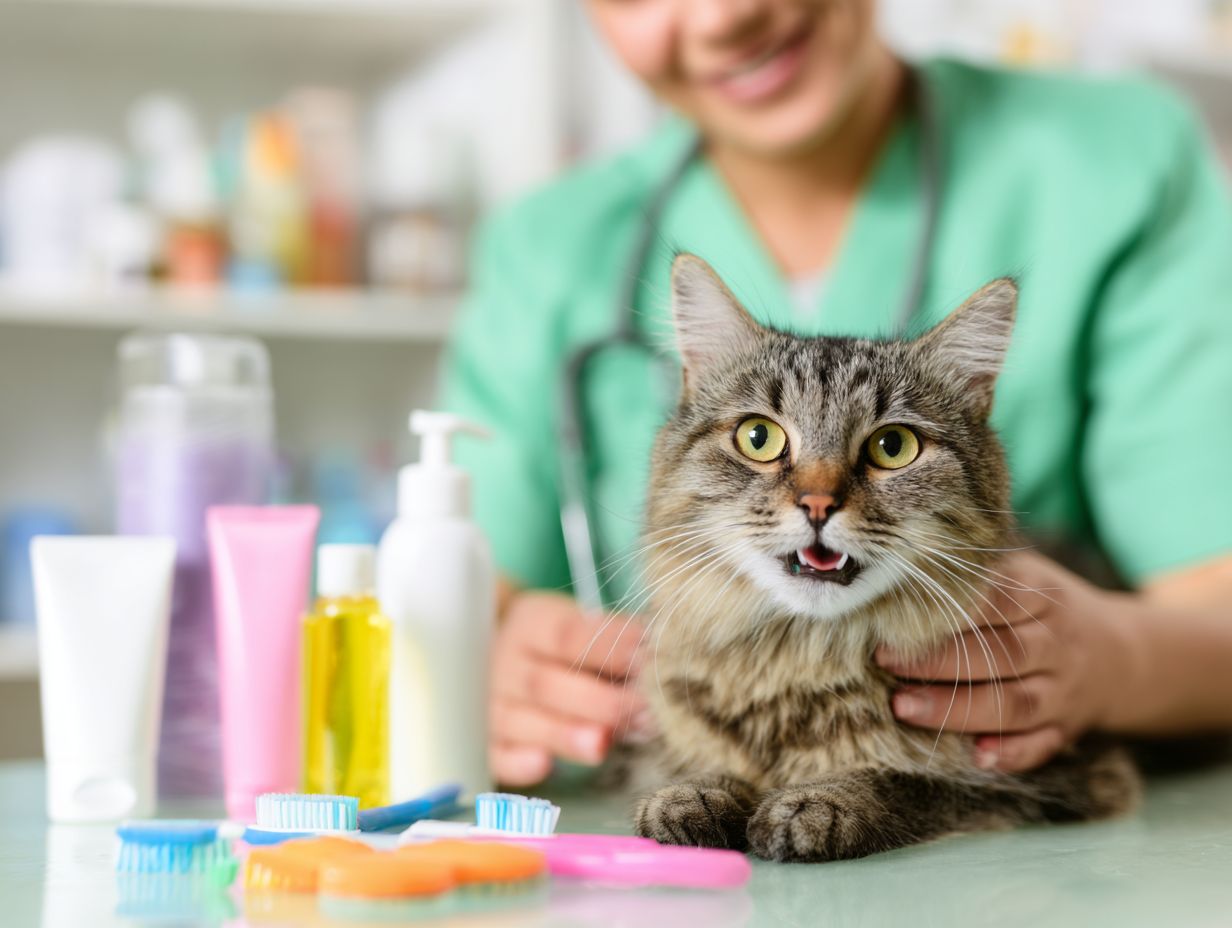
Medications and supplements are integral to the management of dental disease in cats, particularly in mitigating pain and inflammation associated with oral health issues. Veterinarians may prescribe oral medications aimed at treating infections or inflammation and recommend nutritional supplements that support the immune system and enhance overall feline health.
These products can significantly improve a cat’s quality of life by alleviating discomfort during essential activities such as eating and grooming. For instance, antibiotics and anti-inflammatories serve to eliminate infections and reduce swelling, facilitating the maintenance of normal behavior in felines.
Certain dental supplements, which may contain omega-3 fatty acids or antioxidants, can further strengthen a cat’s immune response, aiding in the prevention of future dental problems. Additionally, dental chews and specially formulated diets designed for oral care can mechanically remove plaque and tartar, thereby promoting healthy teeth and gums while also providing vital nutrients to support overall well-being.
Proper nutrition is essential for maintaining dental health in cats, as a balanced diet plays a crucial role in preventing dental disease and promoting overall well-being.
High-quality cat food can significantly contribute to strong teeth and gums, thereby reducing the risk of conditions such as gingivitis and periodontitis.
Selecting an appropriate diet for cats is essential for promoting dental health and preventing dental disease. A diet that features high-quality ingredients can support oral hygiene and contribute to the overall well-being of the cat.
In evaluating cat food, pet owners should carefully examine the nutritional content outlined on the labels, as this information provides valuable insights into the potential benefits of the food for dental health.
Choosing kibble with a crunchy texture can assist in mechanically removing plaque and tartar as cats chew. Additionally, seeking brands that incorporate specific ingredients known for their dental benefits, such as sodium tripolyphosphate or added fibers, can further enhance oral care.
Prioritizing formulas endorsed by the Veterinary Oral Health Council ensures that the selected food adheres to rigorous standards for promoting better dental hygiene. By considering these factors, cat guardians can make significant contributions to their feline companions’ oral health and longevity.
The impact of nutrition on dental disease in cats is significant, as an appropriate diet can enhance the immune system and improve oral health, thereby potentially reducing the incidence of dental disorders. Proper nutrition is essential for maintaining healthy gums and teeth, effectively preventing conditions such as gingivitis and tooth resorption.
Recent studies have underscored the correlation between specific nutrients-such as omega-3 fatty acids, antioxidants, and certain vitamins-and the reduction of inflammation in oral tissues, which is crucial for preventing periodontal disease. A diet rich in these nutrients not only strengthens the immune response but also facilitates the repair of damaged gums, promoting overall dental wellness.
Cat owners can improve their pets’ diets by incorporating high-quality commercial cat foods that adhere to these nutritional standards and considering supplements as necessary. An awareness of ingredients and their associated benefits enables responsible owners to make informed dietary choices that can have a considerable impact on their feline companions’ dental health over time.
What is dental disease in cats?
Dental disease in cats is a common condition that affects a cat’s teeth, gums, and overall oral health. It can range from mild tartar buildup to more serious health issues such as periodontal disease and tooth decay.
What are the symptoms of dental disease in cats?
Some common symptoms of dental disease in cats include bad breath, yellow or brown discoloration on the teeth, difficulty eating, pawing or rubbing at the mouth, and swollen or bleeding gums.
How can I prevent dental disease in my cat?
One of the best ways to prevent dental disease in cats is by providing regular dental care. This includes brushing their teeth daily, providing dental-friendly treats and toys, and scheduling regular dental cleanings with your veterinarian.
Why is it important to prevent dental disease in cats?
Dental disease can not only cause discomfort and pain for your cat, but it can also lead to more serious health issues such as heart, liver, and kidney disease. Preventing dental disease can improve your cat’s overall quality of life and extend their lifespan.
Are there any special diets that can help prevent dental disease in cats?
Yes, there are specially formulated dental diets that can help prevent dental disease in cats. These diets are designed to promote chewing and help remove plaque and tartar buildup on the teeth. Consult with your veterinarian to see if a dental diet is right for your cat.
Is dental disease in cats hereditary?
While some breeds may be more prone to dental disease, it is not typically considered a hereditary condition. Regular dental care and preventive measures can greatly reduce the risk of dental disease in cats, regardless of breed.

Feline diabetes is an increasing concern for cat owners, significantly impacting the health and quality…

Cats are frequently perceived as independent creatures; however, their eating habits can present concerns for…