
Why Your Cat Is Losing Weight: 7 Possible Causes

If one has observed a decrease in their feline companion's weight, it is imperative to…

Feline diabetes is an increasing concern for cat owners, significantly impacting the health and quality of life of their cherished companions. This article provides a comprehensive overview of the essentials of feline diabetes, including an exploration of its causes, symptoms, effective treatment options, and necessary lifestyle adjustments. Readers will gain insight into recognizing the signs of this condition, understanding the critical roles of nutrition and exercise, and adopting best practices for monitoring their cat’s health. By remaining informed, cat owners can contribute to their pets’ overall well-being, ensuring they lead healthier and happier lives.
Key Takeaways

A thorough understanding of feline diabetes is essential for pet owners, as this increasingly prevalent health issue among cats can result in serious complications if not managed appropriately.
Feline diabetes, also referred to as diabetes mellitus, affects the manner in which a cat’s body processes blood glucose, leading to elevated glucose levels that manifest in a variety of clinical signs. This condition predominantly occurs in middle-aged to older cats and is characterized by insulin deficiency, which is vital for glucose metabolism.
Contributing factors such as obesity, dietary habits, and genetics significantly influence the development of this disease, underscoring the importance of awareness and early detection for effective treatment.
Feline diabetes, medically referred to as diabetes mellitus, is a chronic condition characterized by elevated blood glucose levels resulting from either inadequate insulin production or the body’s inability to utilize insulin effectively.
This condition specifically affects a cat’s ability to metabolize glucose, which is essential for energy production. Unlike type 1 diabetes in humans, which primarily arises from a complete deficiency of insulin, feline diabetes more closely resembles type 2 diabetes, where insulin is present but the body develops resistance to its effects.
Insulin plays a crucial role in facilitating the uptake of glucose into cells, thereby reducing sugar levels in the bloodstream. In cats affected by diabetes, this imbalance can manifest in symptoms such as excessive thirst, frequent urination, and weight loss.
If left uncontrolled, diabetes can lead to severe complications, including metabolic disorders and damage to various organs, ultimately compromising the feline’s overall health and well-being.
The causes and risk factors associated with feline diabetes are complex, encompassing genetic predispositions, obesity, and various chronic conditions that contribute to insulin resistance in cats.
Recent studies have increasingly highlighted the critical role of obesity in the development of diabetes among felines. Excessive body weight can lead to hormonal imbalances that exacerbate insulin resistance, hindering the body’s ability to regulate blood sugar levels effectively.
Certain breeds may possess inherited genetic traits that elevate their risk for developing diabetes, thereby emphasizing the necessity for breed-specific health monitoring. Additionally, underlying health issues, such as chronic pancreatitis and hyperthyroidism, can complicate a cat’s metabolic state, creating an environment conducive to the onset of diabetes.
Ultimately, maintaining a healthy weight through a balanced diet and regular exercise, along with routine veterinary check-ups, can significantly reduce these risks and promote a long and healthy life for cats.
Recognizing the symptoms of feline diabetes is crucial for early diagnosis and effective treatment, as the clinical signs can significantly affect a cat’s quality of life and may lead to severe complications if left untreated.
Common symptoms include increased thirst and urination, as the cat’s body attempts to eliminate excess glucose through urine. Along with these signs, other indications such as weight loss despite a good appetite, lethargy, and changes in behavior may also be observed.
It is essential for pet owners to monitor these symptoms closely, as they may also signify episodes of hypoglycemia, wherein blood sugar levels drop to dangerously low levels, presenting an additional set of risks for diabetic cats.
Recognizing the signs of feline diabetes is essential for pet owners, as early detection can significantly improve the management and treatment of this condition.
Pet owners should remain vigilant for specific symptoms that may indicate an underlying issue, such as polydipsia, which presents as increased thirst, leading to an excessive intake of water. This symptom often coincides with polyuria, wherein the cat experiences frequent urination, resulting in unexpected messes within the household.
Additionally, a noticeable weight loss, despite an increased appetite, can serve as a key indicator that something is amiss. Behavioral changes, such as lethargy or irritability, may also emerge as the condition progresses.
It is crucial to seek veterinary attention promptly upon observing these signs, as timely intervention can help mitigate the health risks associated with diabetes and enhance the overall well-being of the beloved feline companion.
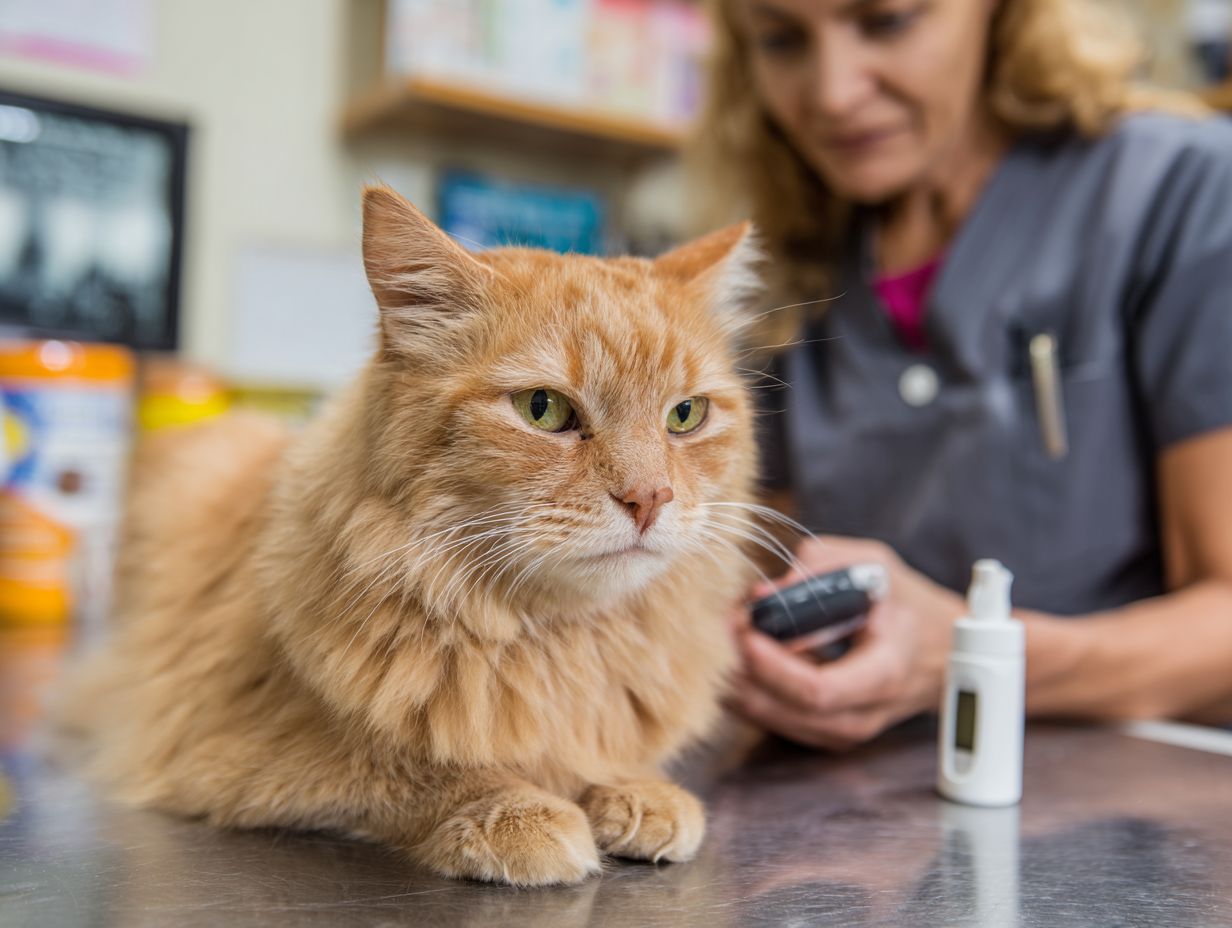
The management of feline diabetes necessitates a comprehensive and multifaceted approach that typically includes insulin therapy, dietary modifications, and regular monitoring of blood glucose levels to promote optimal health and well-being in diabetic cats.
Insulin therapy serves as the cornerstone of treatment and may be administered through various formulations, such as Vetsulin, ProZinc, or Glargine, depending on the specific needs of the cat and the recommendations of the veterinarian.
Along with insulin therapy, dietary management plays a critical role in regulating glucose levels; therefore, pet owners must recognize the significance of maintaining a consistent feeding schedule.
Furthermore, regular monitoring of blood glucose levels is essential for effectively adjusting treatment protocols and identifying any potential complications at an early stage.
Insulin therapy serves as the primary treatment option for managing feline diabetes, with various formulations available, including Vetsulin, ProZinc, and Glargine, to effectively regulate blood glucose levels.
Each type of insulin has distinct mechanisms of action; for example, Vetsulin is frequently prescribed for its rapid onset and shorter duration of action, while ProZinc provides a longer-lasting effect, making it suitable for cases that require more stable glucose control. Conversely, Glargine is recognized for its long-acting properties, offering a consistent release that may be advantageous for specific individual requirements.
Along with insulin therapy, dietary management is critical, as a balanced diet can assist in maintaining healthy glucose levels.
Regular monitoring of blood glucose is essential, enabling pet owners to evaluate the effectiveness of the treatment plan and make necessary adjustments, thereby ensuring optimal health for their feline companions.
Diet and exercise are fundamental components in the management of diabetes in cats. Proper nutrition and regular physical activity are essential for maintaining a healthy weight and regulating blood glucose levels.
For diabetic cats, it is imperative to provide a diet that is rich in high-quality protein and low in carbohydrates, as this approach helps stabilize glucose levels while promoting overall health. Weight management is particularly critical, given that obesity is a significant risk factor for the development of feline diabetes.
Furthermore, integrating exercise into a cat’s daily routine can enhance metabolic health and reduce the likelihood of complications associated with diabetes.
The significance of proper nutrition and physical activity for diabetic cats is paramount, as these factors are essential for maintaining stable glucose levels and promoting overall health.
A well-balanced diet primarily composed of high-protein, low-carbohydrate meals is critical for regulating blood sugar in these felines. Such dietary choices closely replicate the natural diet of cats, which is low in carbohydrates and rich in amino acids. This nutritional strategy not only supports blood glucose control but also facilitates optimal weight management.
Regular physical activity serves as a complement to this dietary regimen, aiding in weight loss and enhancing insulin sensitivity-both of which are vital for effective diabetic management.
Encouraging exercise can be accomplished through various methods, such as engaging in interactive play sessions with toys or providing climbing structures that promote exploration and movement.
Monitoring and managing diabetes in cats requires regular blood glucose testing, consistent veterinary care, and attentiveness to any behavioral changes that may indicate fluctuations in their condition.
Tracking glucose levels is essential for assessing the effectiveness of treatment and adjusting insulin dosages as needed.
Pet owners should remain observant of their cat’s activity levels, appetite, and overall demeanor, as significant changes may signal complications that necessitate immediate veterinary intervention.
Establishing a strong partnership with a veterinary professional is crucial to ensure that treatment plans remain appropriate and effective over time.

Regular blood sugar testing is a crucial component in the management of diabetes in cats, as it facilitates ongoing monitoring of glucose levels and aids in the adjustment of treatment plans to ensure optimal health.
By utilizing home glucose meters, cat owners can conveniently perform tests multiple times a day, thereby obtaining immediate insights into their pet’s condition. Following the acquisition of these readings, it is imperative to interpret the results accurately; normal blood sugar levels generally range between 80 and 120 mg/dL, though this range may vary based on individual circumstances.
If glucose levels remain consistently high or low, it may indicate the necessity for modifications in the insulin dosage or dietary changes. Such adjustments should always involve consultation with a veterinarian to ensure a balanced approach to diabetes management while safeguarding the cat’s overall well-being.
Preventing feline diabetes is attainable through a dedicated approach to a healthy lifestyle, which encompasses weight management, appropriate nutrition, and regular exercise for cats.
Given that obesity is a significant risk factor for diabetes, it is essential to maintain an ideal body weight. This can be achieved by offering a balanced diet tailored to the specific needs of the cat, along with engaging physical activities that promote exercise.
Furthermore, regular veterinary check-ups are crucial for monitoring health status, enabling the early identification of any metabolic issues and thereby helping with the prevention of diabetes.
Adopting healthy lifestyle habits is essential for significantly reducing the risk of feline diabetes in cats, with a focus on proper nutrition and regular exercise being paramount.
It is crucial to ensure that a cat receives a balanced diet that is rich in high-quality proteins while limiting carbohydrate intake, as this is vital for maintaining stable blood sugar levels.
Portion control is also of utmost importance, as overfeeding can lead to obesity, which is a major risk factor for diabetes. Monitoring feeding schedules and utilizing measured servings can assist in maintaining an ideal weight.
Incorporating regular playtime and interactive activities not only contributes to a cat’s physical fitness but also stimulates its mental engagement, thereby promoting overall well-being.
Collectively, these lifestyle choices foster a harmonious balance that enhances the cat’s quality of life while proactively preventing diabetes, ensuring long-term health and vitality.

What is diabetes in cats?
Diabetes in cats is a metabolic disorder in which the body is unable to properly regulate blood sugar levels. This happens when the pancreas is not producing enough insulin or when the body is not responding properly to the insulin that is produced.
What are the signs and symptoms of diabetes in cats?
The most common signs of diabetes in cats include increased thirst and urination, weight loss, increased appetite, and lethargy. Other signs may include weakness, vomiting, and changes in coat quality.
How is diabetes in cats diagnosed?
The diagnosis of diabetes in cats involves a series of tests including blood glucose levels, urine analysis, and possibly a fructosamine test. A thorough physical examination and review of the cat’s medical history will also be conducted.
What is the treatment for diabetes in cats?
The main treatment for diabetes in cats is insulin therapy, usually administered by injection. A veterinarian will determine the appropriate dosage and schedule for the cat. A change in diet, increased exercise, and weight management may also be recommended.
Can diabetes in cats be cured?
Unfortunately, there is no cure for diabetes in cats, but with proper care, many cats will go into remission. However, with proper treatment and management, cats can live long and healthy lives. It is important to closely monitor and manage the cat’s blood sugar levels, diet, and exercise to prevent complications and maintain a good quality of life.
What are the potential complications of managing diabetes in cats?
If diabetes in cats is not properly managed, it can lead to serious complications such as nerve damage, blindness, ketoacidosis, and even death. It is important to follow the veterinarian’s instructions and regularly monitor the cat’s blood sugar levels to prevent these complications.

If one has observed a decrease in their feline companion's weight, it is imperative to…


Hyperthyroidism in cats is a prevalent and often misunderstood condition that can have a significant…
