
Why Your Cat Sneezes: Common Causes and Solutions

Cat sneezing is a common yet often perplexing phenomenon for cat owners. While an occasional…

Arthritis is a prevalent yet frequently overlooked condition that affects a significant number of cats, resulting in discomfort and a reduction in their overall quality of life. A comprehensive understanding of the causes and types of arthritis is essential for early detection and effective management. This article examines the signs and symptoms to assist in identifying whether your feline companion is suffering from this condition. It also discusses various treatment options and relief methods available, while providing strategies for preventing arthritis, thereby promoting the health and activity of your cat. We will present essential care strategies to support arthritic cats, ensuring their comfort and happiness. We invite you to explore how you can positively impact your cat’s well-being.
Key Takeaways

A thorough understanding of arthritis in cats is essential, as it significantly influences their overall health and quality of life, especially in older felines.
Arthritis, particularly osteoarthritis, is a prevalent joint disease characterized by the degeneration of cartilage and the development of bony projections, which result in painful joints and reduced mobility. This chronic condition can greatly affect a cat’s capacity to participate in normal activities, thereby requiring a comprehensive approach to diagnosis, management, and care.
There are several causes and types of arthritis that can affect cats, with osteoarthritis being the most prevalent form observed. This degenerative joint disease typically arises from factors such as aging, obesity, and previous injuries, resulting in a chronic condition characterized by inflammation and joint pain.
As cats age, their joints naturally experience wear and tear, which can intensify the effects of osteoarthritis. Obesity is a significant contributing factor; excess weight places additional stress on the joints, leading to accelerated deterioration and discomfort.
Additionally, muscle wasting can play a role, as weakened musculature may not adequately support the joints, thereby increasing the risk of injury and exacerbating pain. Previous injuries, including fractures or sprains, can result in lasting damage, making the affected joints more vulnerable to the development of this debilitating condition.
It is essential for cat owners to remain attentive to their pets’ weight, activity levels, and overall joint health in order to mitigate these risks effectively.
Recognizing the signs and symptoms of arthritis in cats is crucial for early intervention and effective management, as these indicators can significantly affect a cat’s quality of life.
Symptoms may encompass decreased mobility, reluctance to jump or climb, painful joints, and observable signs of discomfort, such as swollen joints and alterations in behavior.
Identifying arthritis in a cat necessitates a comprehensive veterinary diagnosis, typically initiated through a thorough physical examination conducted by a qualified veterinarian. Observations made during the examination, along with the cat’s medical history and behavioral patterns, are instrumental in determining the presence of arthritis, thereby facilitating the establishment of appropriate treatment and management plans.
Veterinarians generally assess for specific indicators, including stiffness, hesitance to jump or climb, and alterations in grooming habits. Additional diagnostic tools, such as X-rays or joint fluid analysis, may be utilized to confirm the diagnosis and evaluate the extent of joint damage.
Pet owners are encouraged to provide detailed accounts of their cat’s daily movements and any observable behavioral changes, as this information is essential for an accurate assessment. Consulting with a veterinarian not only assists in achieving a precise diagnosis but also aids in developing a customized care plan that may encompass medications, dietary modifications, and physical therapy options aimed at enhancing the feline’s quality of life.
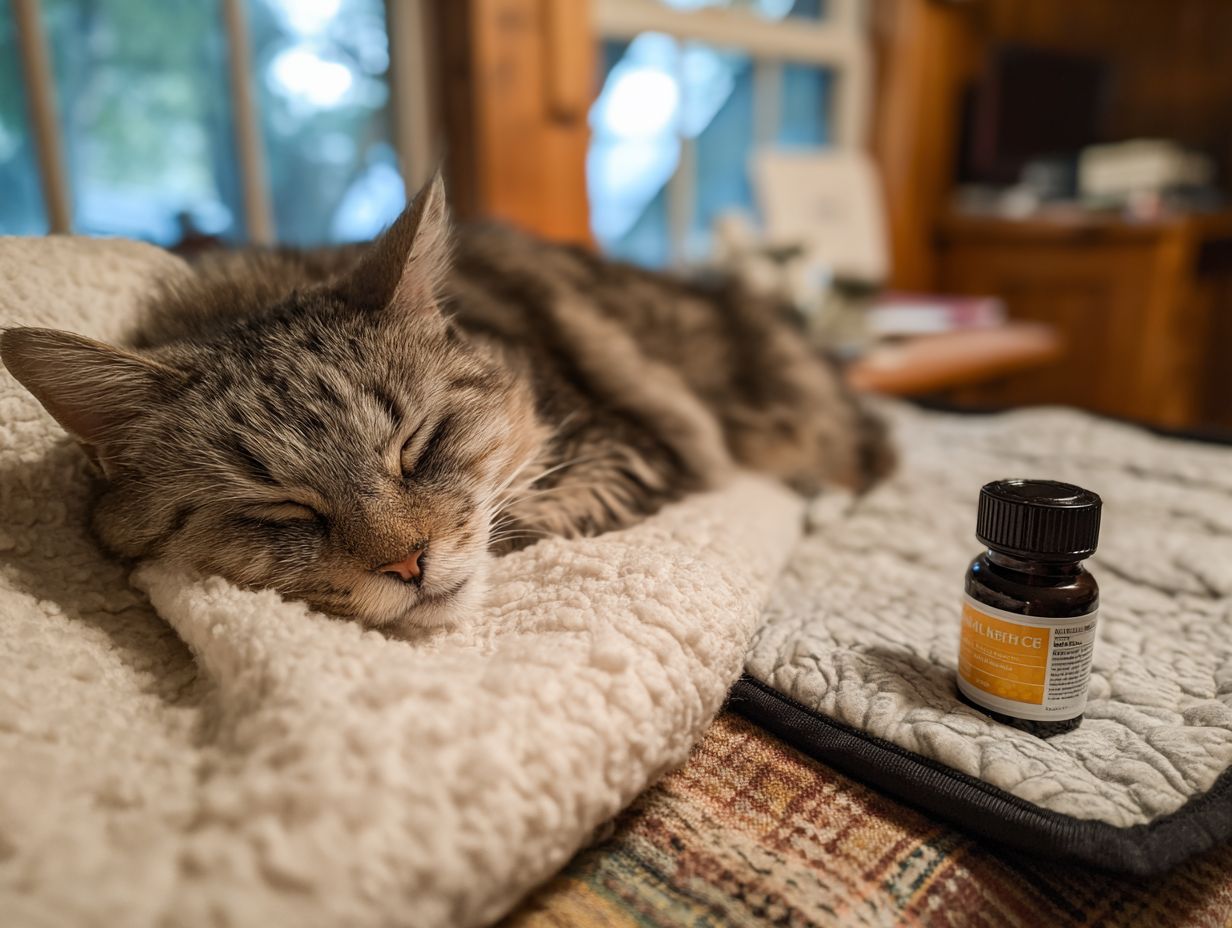
Managing arthritis in cats involves a comprehensive approach focused on providing pain relief and enhancing the quality of life for affected animals.
Treatment options may encompass pain management strategies that utilize non-steroidal anti-inflammatory drugs (NSAIDs), as well as pain medications such as Gabapentin and opioids.
Additionally, joint supplements like glucosamine may be considered, along with alternative therapies such as laser therapy and acupuncture.
A variety of treatment options and relief methods are available for managing arthritis in cats, each designed to enhance joint health and provide substantial pain relief. These options range from conventional anti-inflammatory medications to supportive therapies, such as physical therapy, joint protectants, and home remedies aimed at improving mobility and overall comfort.
Veterinarians commonly prescribe non-steroidal anti-inflammatory drugs (NSAIDs) to reduce pain and swelling, providing immediate relief for affected cats. Additionally, treatments may include glucosamine and chondroitin supplements, which support cartilage health.
Physical therapy, encompassing techniques such as massage and hydrotherapy, plays a crucial role in enhancing a cat’s range of motion and maintaining joint flexibility.
Moreover, implementing joint-friendly modifications at home, such as ramps or orthopedic beds, can significantly enhance a cat’s quality of life. Some pet owners also explore natural remedies, including omega-3 fatty acids, which are recognized for their anti-inflammatory properties and contribute to comprehensive pain management strategies.
Preventing arthritis in cats primarily involves promoting joint health and managing factors that contribute to the risk of developing this chronic condition.
Effective strategies include:
These measures can significantly reduce the likelihood of joint degeneration in aging cats.
Maintaining the health and activity level of your cat is crucial in preventing arthritis and promoting overall well-being, particularly as they age. Important strategies include ensuring a balanced diet to facilitate weight management, providing regular opportunities for physical activity, and considering joint supplements to support joint health.
To enhance your cat’s physical fitness, it is advisable to engage them in daily play sessions utilizing toys that stimulate movement, such as feather wands or laser pointers. Additionally, creating a stimulating environment with climbing trees and scratching posts can help maintain joint flexibility and strengthen muscles.
Routine veterinary check-ups are essential for monitoring any signs of joint discomfort at an early stage, which allows for timely intervention. Furthermore, incorporating gentle stretches or massages can enhance circulation and flexibility, thereby contributing to your cat’s overall vitality and emotional well-being.

Supporting an arthritic cat requires a committed approach to care that emphasizes the enhancement of comfort and mobility while effectively managing the symptoms of arthritis.
Key considerations include:
Caring for a cat with arthritis necessitates a compassionate understanding of their specific needs, with an emphasis on supportive care and effective pain relief strategies. Regular veterinary check-ups, the provision of a comfortable environment, and pain management through medication and lifestyle modifications are all critical components of comprehensive care.
Veterinary guidance is essential in developing a tailored treatment plan, as the condition of each cat can vary significantly. Regular visits to the veterinarian facilitate the monitoring of joint health and the necessary adjustments to medication, ensuring optimal effectiveness.
Plus prescribed pain medications, pet owners should consider supportive care techniques, such as weight management, which can alleviate additional pressure on the joints, as well as joint supplements, including glucosamine or omega-3 fatty acids, recognized for their anti-inflammatory properties.
Creating a comfortable living space equipped with soft bedding and ramps can further improve mobility for the feline companion, ultimately enhancing their quality of life and overall well-being.

What are the common symptoms of arthritis in cats?
The most common symptoms of arthritis in cats include difficulty jumping, stiffness, limping, and decreased mobility.
Are there any specific breeds of cats that are more prone to developing arthritis?
While arthritis can affect any breed of cat, it is more commonly seen in older cats and larger breeds such as Maine Coons and Persians.
What are the treatment options for arthritis in cats?
Treatment options for arthritis in cats include pain management medication, joint supplements, physical therapy, and in severe cases, surgery.
Can I give my cat over-the-counter pain relievers for their arthritis?
No, it is important to never give your cat any over-the-counter pain relievers without consulting your veterinarian first. Many human medications can be toxic to cats.
Are there any home remedies that can help relieve my cat’s arthritis symptoms?
You can try providing your cat with soft bedding, using ramps or stairs to help them access high places, and maintaining a healthy weight for them to reduce the stress on their joints.
Is there a way to prevent arthritis in cats?
While there is no guaranteed way to prevent arthritis in cats, keeping them at a healthy weight, providing them with regular exercise, and addressing any joint injuries or issues promptly can help reduce their risk of developing arthritis.

Cat sneezing is a common yet often perplexing phenomenon for cat owners. While an occasional…

Hydration is essential for a cat's health; however, many pet owners often underestimate its significance.…
