
Can Cats Eat Grapes? Essential Facts for Pet Owners

Cats are recognized for their inquisitive eating habits, which frequently prompt inquiries regarding the human…


Many cat owners may be interested in sharing their summertime snack with their feline companions and often question whether watermelon is a safe and healthy treat for their pets. This article examines the dietary needs of cats, specifically addressing the implications of incorporating watermelon into their diet, including its potential health benefits and associated risks. Additionally, it provides guidance on how to serve watermelon safely and suggests alternative fruits and vegetables that can diversify a cat’s meals. Gain insights into what is most beneficial for your furry companion.
Key Takeaways
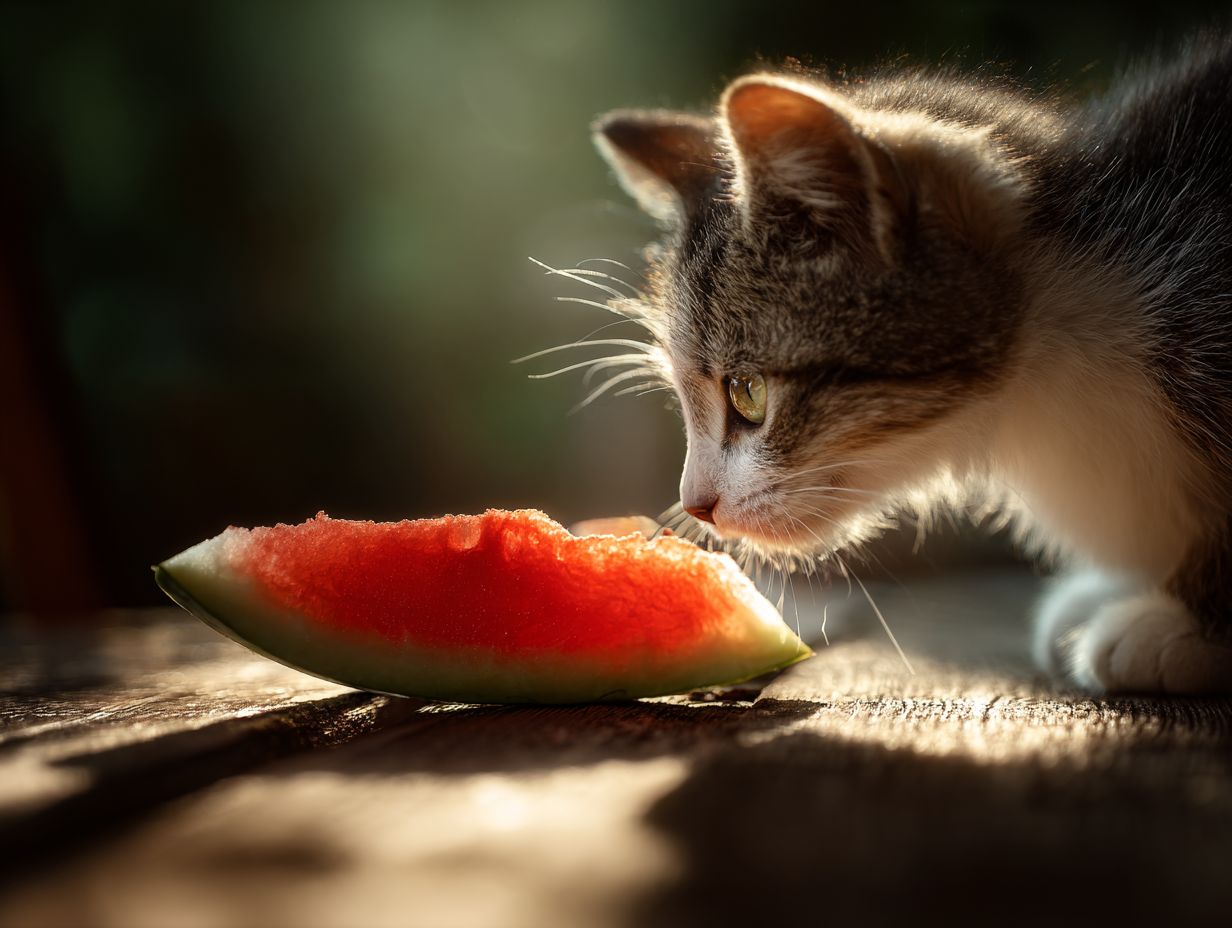
Understanding a cat’s diet is crucial for ensuring their overall health and well-being, as cats are obligate carnivores that require specific nutrients to thrive. A balanced diet not only contributes to their physical health but also impacts their behavior and overall happiness.
It is essential to consider various factors such as age, weight, and activity level when determining the appropriate daily intake of food for a feline companion. Consulting with veterinarians is recommended to develop a diet that meets a cat’s unique nutritional needs while supporting adequate hydration and fiber intake for optimal digestion.
Additionally, the types of cat food available-such as wet, dry, and raw diets-offer different benefits and can influence hydration levels. For example, wet food plays a critical role in ensuring that cats receive sufficient moisture, which is vital for kidney health and urinary function.
Concurrently, it is important to emphasize high-quality protein sources, as they provide essential amino acids necessary for muscle maintenance and energy.
Incorporating a variety of protein sources and ensuring a proper balance of fats and carbohydrates can further support a cat’s vitality. Regular consultations with a veterinarian can assist in adjusting dietary changes as needed, ensuring that any weight management concerns, health issues, or dietary sensitivities are appropriately addressed to promote longevity.
The safety of watermelon for cats is a common inquiry among pet owners seeking suitable summer treats for their feline companions. Watermelon is a non-toxic fruit that is generally safe for cats to consume in moderation; however, it is important to prepare it properly to prevent potential gastrointestinal issues.
Due to its high water content, this juicy fruit can offer hydration and is often regarded as a refreshing snack during warm weather. Nevertheless, it is imperative to consult with a veterinarian before introducing any new human food into a cat’s diet to ensure their health and well-being.
Watermelon presents several potential health benefits for cats when administered appropriately and in moderation, making it a valuable and nutritious addition to their diet. This summer fruit is abundant in vitamins, particularly vitamin C, which supports immune function, and potassium, essential for maintaining proper muscle and nerve function.
The fiber content in watermelon aids digestion, helping to prevent gastrointestinal disturbances and promoting overall digestive health. Additionally, the high moisture content of watermelon contributes to hydration, which is especially beneficial during hot weather, ensuring that feline companions remain refreshed.
Moreover, watermelon is low in calories, rendering it an ideal snack for cats that need to maintain a healthy weight. Certain varieties, such as seedless watermelon, reduce the risk of choking hazards, thereby ensuring safe consumption.
The antioxidants present in watermelon, including lycopene, may help mitigate oxidative stress, further supporting a cat’s overall well-being. By offering a sweet treat that is both enjoyable and nutrient-rich, responsible pet owners can seamlessly incorporate this fruit into their cats’ diets, enhancing flavor while providing significant health benefits in a balanced manner.
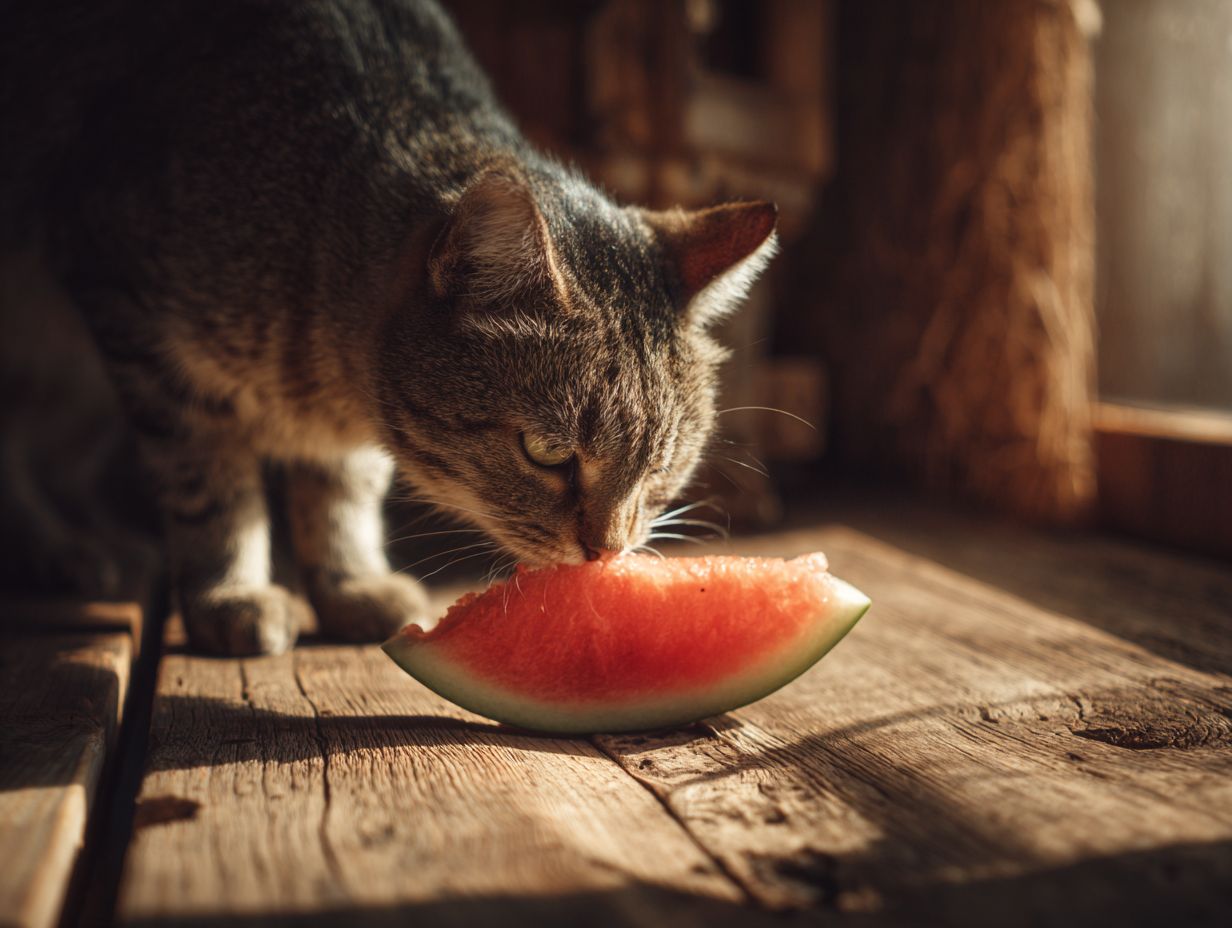
While watermelon can be considered a safe treat for cats, there are potential risks associated with its consumption that pet owners should recognize to ensure the well-being of their feline companions.
These risks become particularly pertinent when assessing the individual health status of the cat. For instance, cats with pre-existing health conditions or sensitivities may experience adverse reactions to the fiber content present in watermelon, which could result in discomfort or bloating.
Signs of an allergic reaction may include itching, swelling, and gastrointestinal disturbances such as vomiting or diarrhea. It is crucial for pet owners to introduce any new food gradually and monitor their pets closely for any indications of distress.
Consulting a veterinarian prior to incorporating watermelon into a cat’s diet can provide additional safeguards against unforeseen health issues.
Providing watermelon to a cat can serve as an enjoyable and refreshing treat; however, it is crucial to approach this practice with care and appropriate preparation.
Begin by selecting fresh, ripe watermelon and ensure the removal of seeds and rind, as these components may pose choking hazards and lead to digestive issues.
Slice the fruit into bite-sized pieces to facilitate easier chewing and consumption for the cat. It is advisable to introduce watermelon gradually into the cat’s diet, monitoring for any signs of discomfort or adverse reactions, while also being mindful of portion sizes to ensure safe consumption.
When preparing watermelon for your cat, there are several creative and safe serving suggestions that can enhance their snacking experience during the summer months.
One popular method involves blending watermelon into a smoothie, resulting in a cold and hydrating treat that can be poured into ice cube trays for a playful summer snack. It is essential to ensure that the watermelon is seedless and free from any rind before offering it to your feline companion. These bite-sized portions not only provide hydration but also serve as an enjoyable way to introduce a variety of flavors into their diet.
Another appealing idea is to create watermelon popsicles by pureeing ripe fruit and freezing it in small molds. These frozen treats can serve as a refreshing means for your cat to stay cool and hydrated on hot days.
Additionally, consider mixing small bits of watermelon with plain yogurt, as this combination is both safe and nutritious. This mixture not only enhances the flavor profile but also introduces beneficial probiotics, contributing positively to their digestive health.
It is important to observe your cat’s reactions to new treats, as individual preferences may vary. Ultimately, offering these watermelon-based snacks not only encourages hydration but also adds an element of excitement to their treat routine.

For those seeking alternatives to watermelon as a refreshing treat for their cats, there are several other fruits and vegetables that are both safe and nutritious options to consider.
Many cats appreciate bite-sized pieces of cucumber, which offer hydration while being low in calories and sugar. Additionally, small amounts of cantaloupe or blueberries can serve as enjoyable snacks that are rich in vitamins and fiber.
It is crucial to introduce any new foods gradually and to verify their safety for feline consumption prior to incorporating them into the diet.
Cats can safely enjoy a variety of fruits and vegetables as healthy treats, contributing essential nutrients and hydration to their diet.
Incorporating these foods can significantly enhance a cat’s overall health while also promoting engagement during mealtime.
For instance, blueberries are abundant in antioxidants that support immune function, whereas strawberries provide vitamin C, which is beneficial for skin health. Bananas, despite their higher sugar content, offer potassium, which is important for muscle function, making them a suitable occasional treat.
Regarding vegetables, cooked carrots are rich in beta-carotene, which supports eye health, and green peas serve as an excellent source of fiber and protein.
It is crucial to prepare these foods properly, ensuring that they are thoroughly washed, cut into manageable pieces, and cooked without any seasoning or additives. A thoughtful introduction of these treats can aid in maintaining a balanced diet for cats.
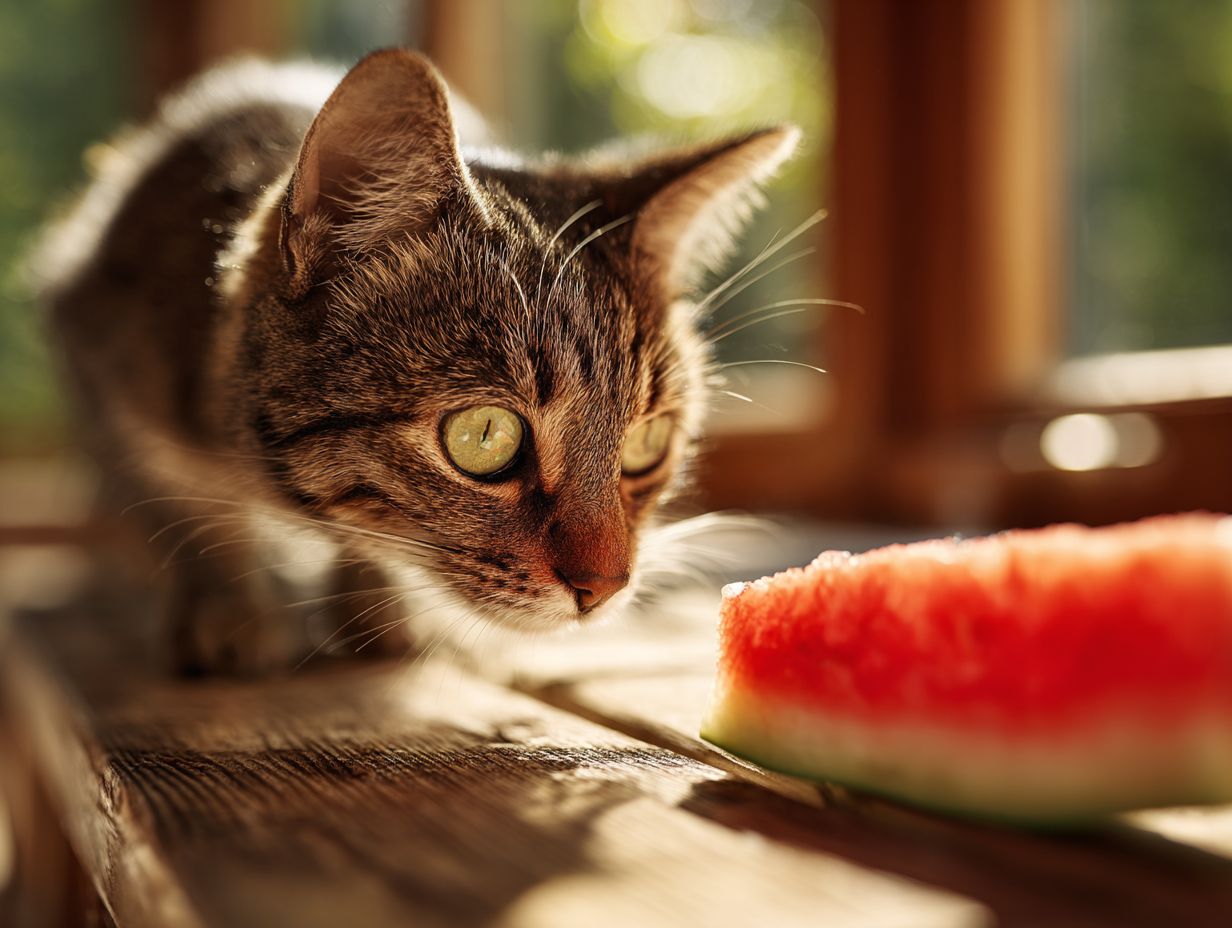
Can cats eat watermelon?
Yes, cats can eat watermelon in moderation.
Is watermelon safe for cats?
Yes, watermelon is safe for cats to eat as long as it is given in small amounts.
Can cats eat the seeds of watermelon?
No, cats should not eat watermelon seeds as they can cause digestive issues and may even be a choking hazard.
Can cats eat watermelon rind?
No, cats should not eat watermelon rind as it is difficult for them to digest and may cause stomach upset.
How much watermelon can cats eat?
Cats should only have small amounts of watermelon, as it is not a part of their natural diet. Too much watermelon can cause digestive issues.
What are the benefits of cats eating watermelon?
Watermelon is a good source of hydration and contains vitamins A, B6, and C, which can help support a cat’s immune system.

Cats are recognized for their inquisitive eating habits, which frequently prompt inquiries regarding the human…

The topic of cats and their diets can generate considerable discussion among pet owners. A…