
Effective Litter Box Diarrhea Cleanup Tips for Pet Owners

Dealing with litter box diarrhea can be a challenging experience for both pets and their…

Selecting the appropriate cat litter is crucial for enhancing both the comfort of your cat and the convenience for yourself. There are two primary types of litter-clumping and non-clumping litter-each possessing distinct advantages and disadvantages. This article aims to examine the pros and cons of each type, thereby assisting you in making a well-informed decision that aligns with your cat’s requirements and your lifestyle. Additionally, it offers guidance on maintaining a clean litter box and outlines important factors to consider when choosing the ideal litter for your feline companion.
Key Takeaways
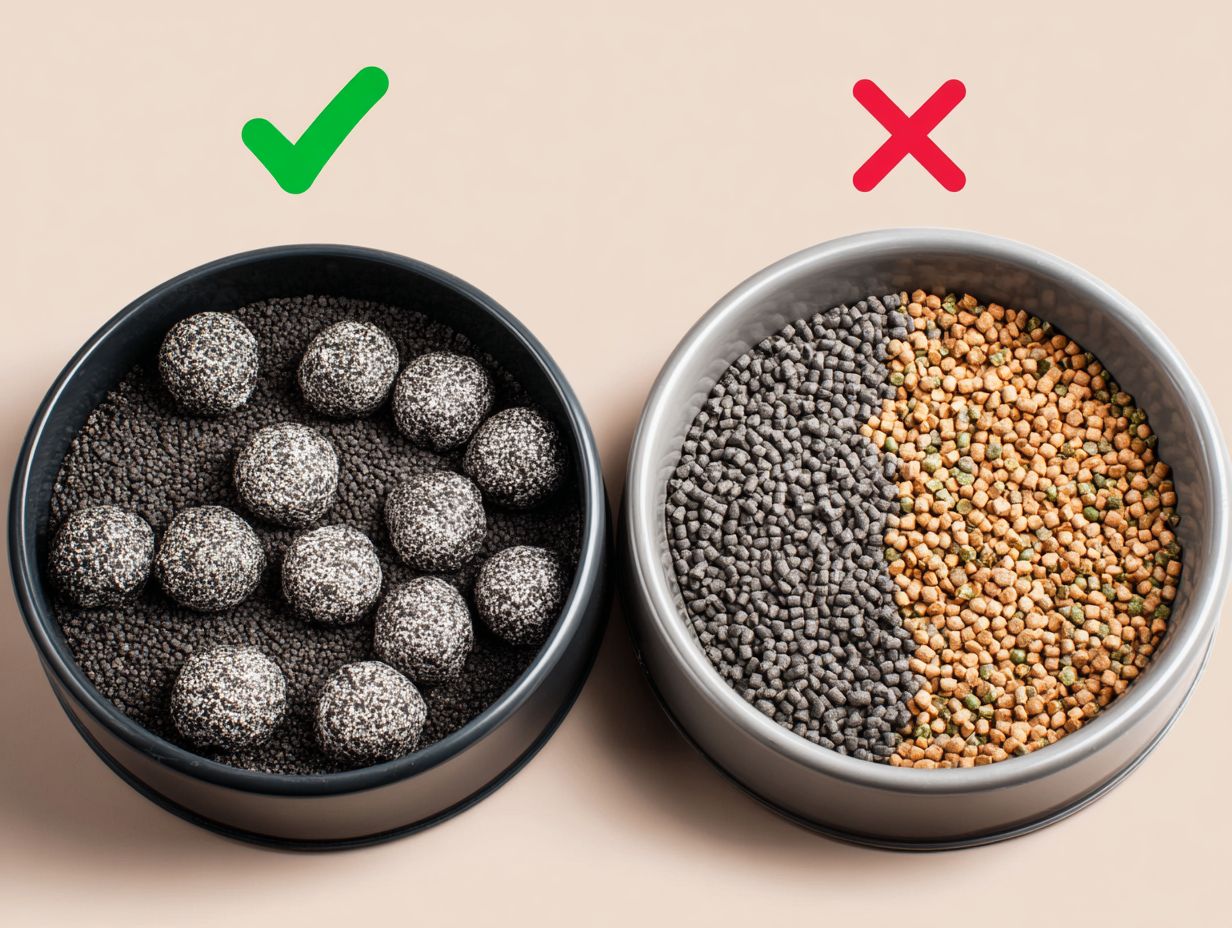
When selecting the appropriate cat litter, cat owners are presented with a wide array of options, primarily divided into two main categories: clumping litter and non-clumping litter. These choices significantly influence the litter box experience, the health of the cat, and the overall maintenance requirements.
Clumping litter is characterized by its ability to form solid clumps upon contact with moisture, facilitating the removal of cat waste and enhancing odor control. Conversely, non-clumping litter absorbs moisture without forming clumps, which may necessitate different maintenance routines.
An increasing number of cat owners are now exploring biodegradable litter options, which contribute to environmental sustainability. Biodegradable litters can be made from natural fibers such as corn, wheat, or recycled paper, offering a more eco-friendly alternative to traditional clay-based products.
This type of litter not only promotes the well-being of cats by being free from harsh chemicals but also demonstrates superior moisture absorption, effectively managing odors.
Ultimately, a comprehensive understanding of the various types of cat litter and their distinct advantages can enable cat owners to make informed decisions that align with their values and meet the specific needs of their feline companions.
Clumping litter is a widely favored option among cat owners, presenting various advantages and disadvantages that can impact both feline health and the owner’s lifestyle.
Its capability to form solid clumps facilitates the cleaning process of the litter box and enhances odor control, which is especially advantageous for households with multiple cats.
Conversely, certain clumping litters may generate dust or contain chemicals that could pose health risks to sensitive cats or their owners.
The advantages of clumping litter are significant for many cat owners, particularly due to its efficiency in managing feline waste and its superior odor control capabilities.
When a cat utilizes the litter box, clumping litter rapidly absorbs moisture and forms solid clumps, facilitating effortless removal. This clumping performance reduces the frequency with which the litter box must be cleaned, thereby simplifying maintenance.
Plus its convenience, clumping litter greatly enhances odor control, a prevalent concern among pet owners. Numerous options are available that are dust-free, promoting a cleaner environment for both pets and humans.
The materials employed in clumping litter, such as absorbent clay or natural fibers, contribute to its effectiveness. Clay-based litters provide exceptional moisture retention and odor neutralization, while natural fiber alternatives offer eco-friendly benefits without compromising performance.
These innovations not only streamline the cleanup process but also contribute to a more pleasant living environment.
Despite its numerous advantages, clumping litter presents several disadvantages that cat owners should carefully evaluate prior to making a purchase. One significant concern is the potential for health issues resulting from the dust generated by certain clumping litters, which can irritate both felines and humans alike.
Additionally, some clumping litters may not be environmentally sustainable, raising valid concerns regarding their ecological impact.
The dust produced not only poses risks to respiratory health but can also be troublesome for individuals with allergies or sensitivities. Furthermore, another consideration is the cost; clumping litter generally tends to be more expensive than traditional alternatives, which can accumulate over time, particularly in households with multiple cats.
The materials utilized in many clumping litters can contribute to landfill waste, prompting environmentally conscious owners to reassess their options.
By carefully weighing these health risks, economic implications, and environmental concerns against the benefits of clumping litter, cat owners can arrive at a more informed decision when selecting the most appropriate litter for their pets.
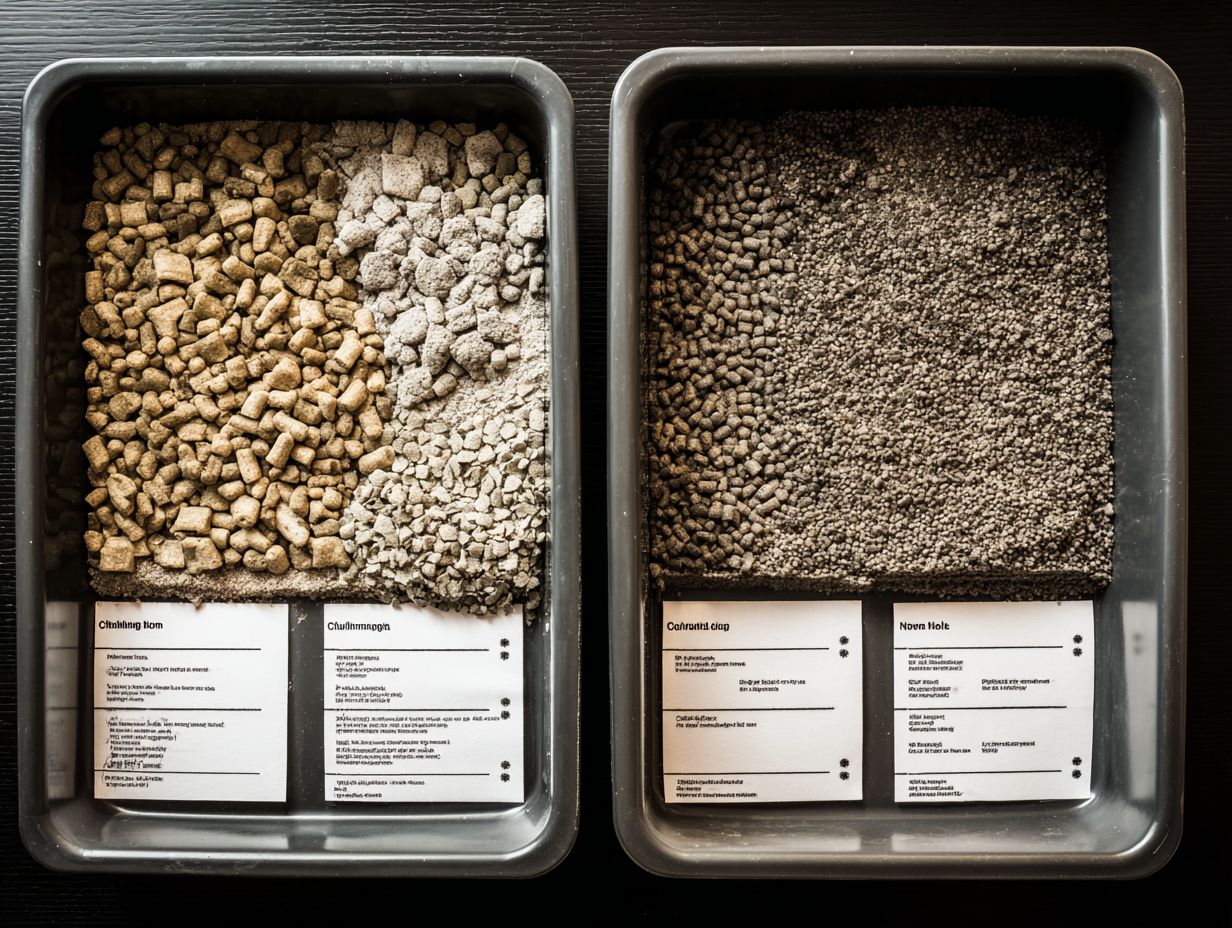
Non-clumping litter offers a distinct set of advantages and disadvantages when compared to clumping litter, and it continues to be a viable option for many cat owners exploring alternatives.
This type of litter generally absorbs moisture effectively, which aids in odor control; however, it necessitates more frequent maintenance since waste does not form clumps for convenient removal.
Furthermore, non-clumping litter can be produced from a variety of materials, including biodegradable options that provide environmental benefits.
One of the primary advantages of non-clumping litter is its exceptional moisture absorption capabilities, which are effective in controlling odors within the litter box. Many cat owners value the availability of eco-friendly options, including biodegradable litters composed of natural materials such as corn, wood, or recycled paper, thereby making it a sustainable choice for environmentally conscious pet owners.
These non-clumping varieties function by efficiently absorbing liquid, thereby reducing the likelihood of persistent odors and promoting a fresher environment. Certain materials are specifically engineered to address the health needs of cats with allergies or sensitivities.
For example, litters derived from natural clay or plant-based sources can minimize dust and chemical fragrances, thereby creating a safer space for feline companions.
This diverse range of options enables owners to select a litter that not only fulfills their pet’s comfort and health requirements but also aligns with their commitment to sustainability.
While non-clumping litter offers certain advantages, it also presents some disadvantages that cat owners should carefully consider when selecting the appropriate litter for their feline companions.
A primary drawback is the necessity for more frequent litter maintenance, as cat waste does not form clumps. This characteristic can lead to odor issues if not managed effectively.
Prolonged exposure to these odors may result in an unpleasant environment for both pets and their owners. Additionally, specific non-clumping materials, such as clay or silica gel, can raise health concerns due to dust particles that may irritate the respiratory systems of both cats and humans. This situation can be particularly problematic for individuals with allergies or pre-existing conditions.
Therefore, it is imperative for cat owners to consider not only the ease of use but also the potential health impacts when selecting their cat’s litter. By being informed about these issues, they can foster a healthier and more comfortable living environment for both themselves and their pets.
Selecting the appropriate litter for a cat is a vital component of responsible pet ownership. Several factors must be meticulously considered to ensure the health and well-being of the feline.
Cat owners should assess their cat’s specific health requirements, particularly in cases of sensitivities or allergies, while also taking into account the environmental impact of their litter selection. Furthermore, considerations regarding the presence of multiple cats or kittens within the household can significantly influence the decision-making process.
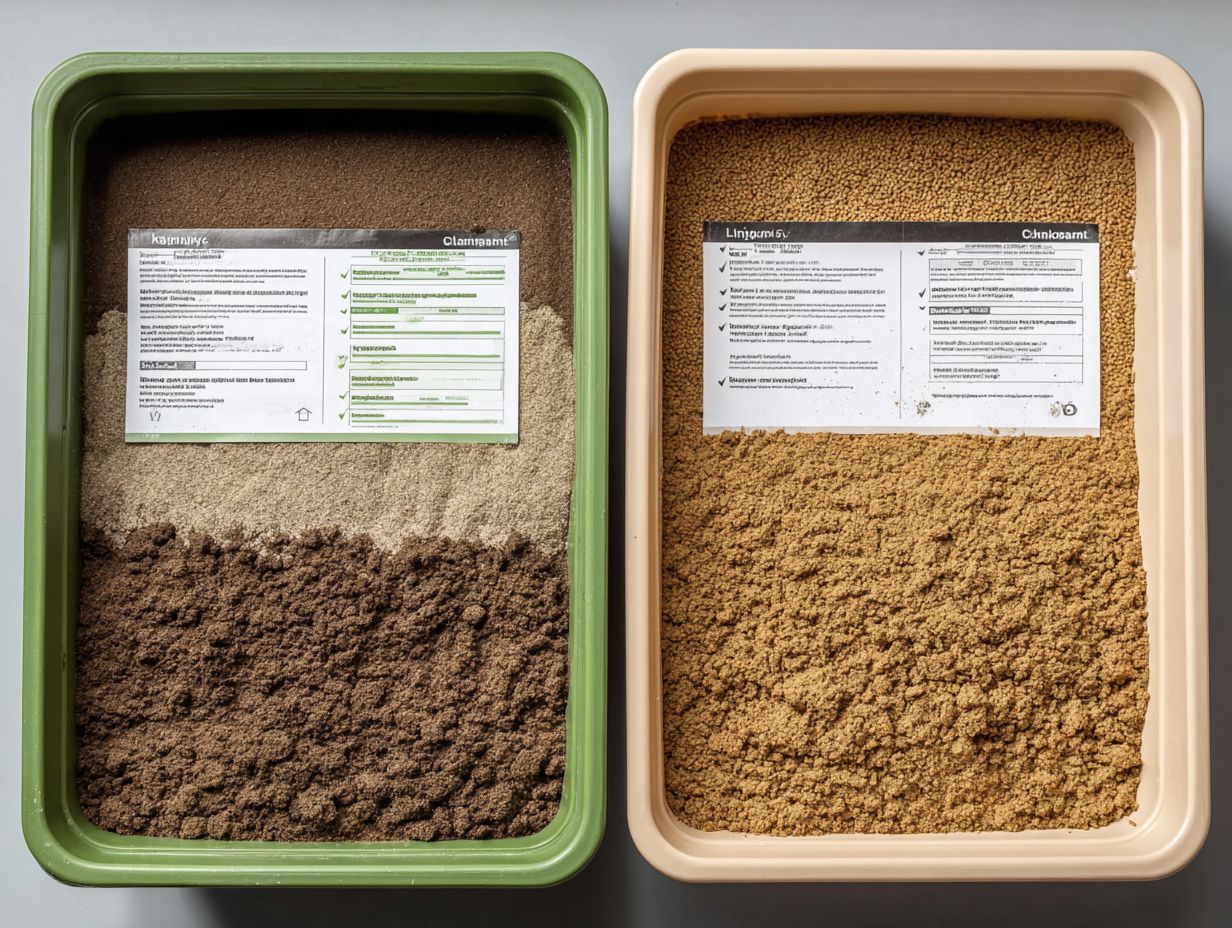
When selecting the appropriate litter for a cat, there are several crucial factors that cat owners should consider to ensure a positive litter box experience.
Health needs are of utmost importance, particularly for cats that may be prone to allergies or respiratory issues; the choice of litter can significantly impact their comfort and overall well-being.
Plus health considerations, it is essential to determine whether to use kitten litter for younger cats, as their developmental stage often influences their litter box preferences.
Environmental factors also play a vital role; choosing biodegradable or sustainably sourced litter options can help minimize the ecological footprint associated with pet care.
For households with multiple cats, the dynamics of these relationships may necessitate selecting products designed for heavy usage or those specifically formulated to effectively neutralize odors.
Ultimately, balancing these various factors can contribute to a healthier environment for both cats and their human companions.
The proper use and maintenance of cat litter are essential for maintaining a clean and hygienic litter box, which is integral to the overall health and comfort of the cat.
Cat owners should follow established cleaning techniques and maintenance guidelines to promote effective odor control and to prevent complications associated with the accumulation of cat waste.
Proper cleaning and disposal techniques for cat litter are essential for maintaining a fresh and hygienic litter box environment, thereby ensuring the health and well-being of both the cat and its owner. Regular cleaning should include daily scooping of cat waste and timely replacement of the litter to effectively control odors.
Plus daily maintenance, it is advisable to completely change the litter at least once a week, though this may vary depending on the cat’s habits and the type of litter employed. For instance, clumping litters may necessitate more frequent changes, whereas certain biodegradable options may have a longer lifespan.
When disposing of used litter, it is prudent to consider eco-friendly methods, such as composting biodegradable litters or utilizing sealed bags to prevent the dissemination of odors.
Additionally, to manage odors effectively, the use of odor-neutralizing litter or situating the litter box in a well-ventilated area can significantly enhance the comfort of both the pet and the owner.

What is the difference between clumping and non-clumping litter?
Clumping litter contains a material called bentonite which forms clumps when it comes into contact with liquid, making it easier to clean up. Non-clumping litter does not contain bentonite and does not form clumps.
What are the pros of using clumping litter?
Clumping litter is highly absorbent and can trap unpleasant odors, making it a good choice for multi-cat households. It also makes cleaning the litter box easier and more efficient.
What are the cons of using clumping litter?
One of the main cons of clumping litter is that it can be more expensive than non-clumping litter. It may also be harmful if ingested by cats, as the clumping action can cause blockages in their digestive system.
What are the pros of using non-clumping litter?
Non-clumping litter is usually cheaper than clumping litter and can be more environmentally friendly as it is often made from biodegradable materials. It also doesn’t have the potential health risks associated with clumping litter.
What are the cons of using non-clumping litter?
Non-clumping litter may not be as effective at controlling odors and may need to be changed more frequently. It can also be less convenient to clean, as urine may get trapped at the bottom of the litter box.
Which type of litter is best for my cat?
The best type of litter for your cat will depend on their preferences and your own personal preferences. Some cats may prefer one type over the other, while others may not have a preference. It is important to consider your cat’s needs and your budget when choosing between clumping and non-clumping litter.

Dealing with litter box diarrhea can be a challenging experience for both pets and their…


Maintaining the cleanliness and comfort of your feline companion is crucial for their health and…
